
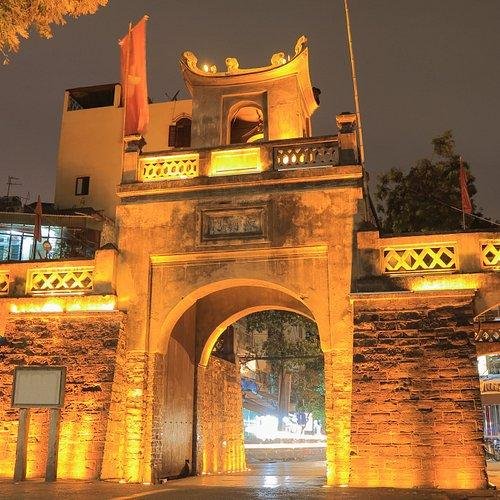
Article brief
When exploring Hanoi's charming Old Quarter, travelers might wonder about the city's nightlife and potentially encounter what some refer to as Hanoi's "red light" scene.
Route flow, hotel placement and transfer timing are the three decisions that shape the whole trip.
When exploring Hanoi’s charming Old Quarter, travelers might wonder about the city’s nightlife and potentially encounter what some refer to as Hanoi’s “red light” scene. This article provides educational information for travelers to stay informed, safe, and respectful while visiting Vietnam’s capital. Understanding the cultural and social context helps visitors navigate the Old Quarter with awareness and respect for local laws and customs.
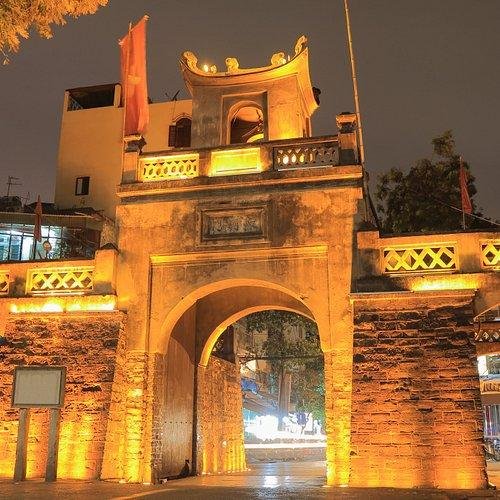
Understanding Hanoi’s Old Quarter After Dark
Unlike the clearly defined red light districts in cities like Amsterdam or Bangkok, Hanoi does not have an official red light district. However, certain areas in the Old Quarter take on a different character after dark. As a traveler, being aware of these dynamics can help you navigate the city more safely.
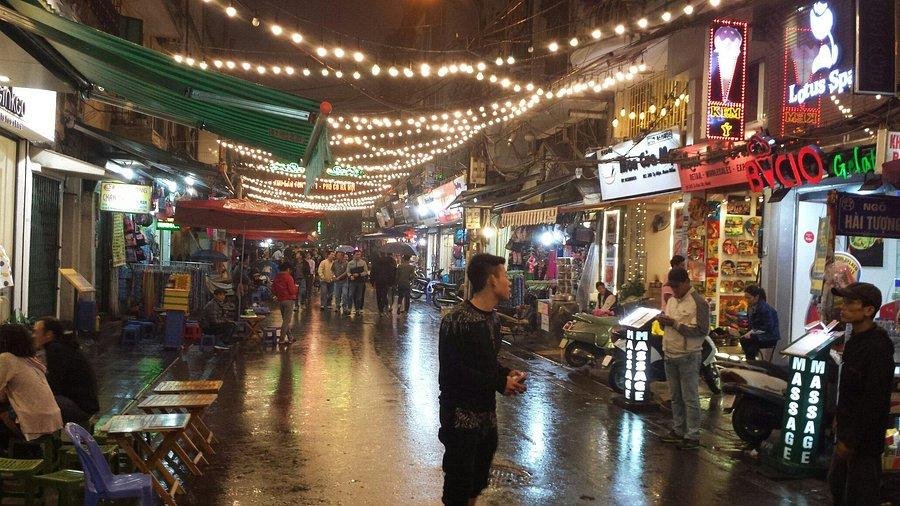
The Old Quarter, with its narrow streets and preserved architecture dating back centuries, transforms as day turns to night. While most establishments are legitimate businesses, some massage parlors, karaoke bars, and “bia hơi” (draft beer) venues might offer services beyond their advertised scope.
“Visitors should understand that prostitution is illegal in Vietnam, and police regularly conduct raids on establishments suspected of such activities.” – Vietnam Ministry of Public Security
Historical and Cultural Context
To understand the current situation, it helps to know that during the French colonial period, regulated prostitution existed in Hanoi. After independence and particularly after the economic reforms of the 1980s (Đổi Mới), the government took strong measures against prostitution while opening the country to tourism.
Today, the phenomenon exists in a gray area – officially prohibited but tacitly present in certain locations. Most significantly, what foreigners might perceive as a “red light” area is often more nuanced from a local perspective and intertwined with legitimate businesses.
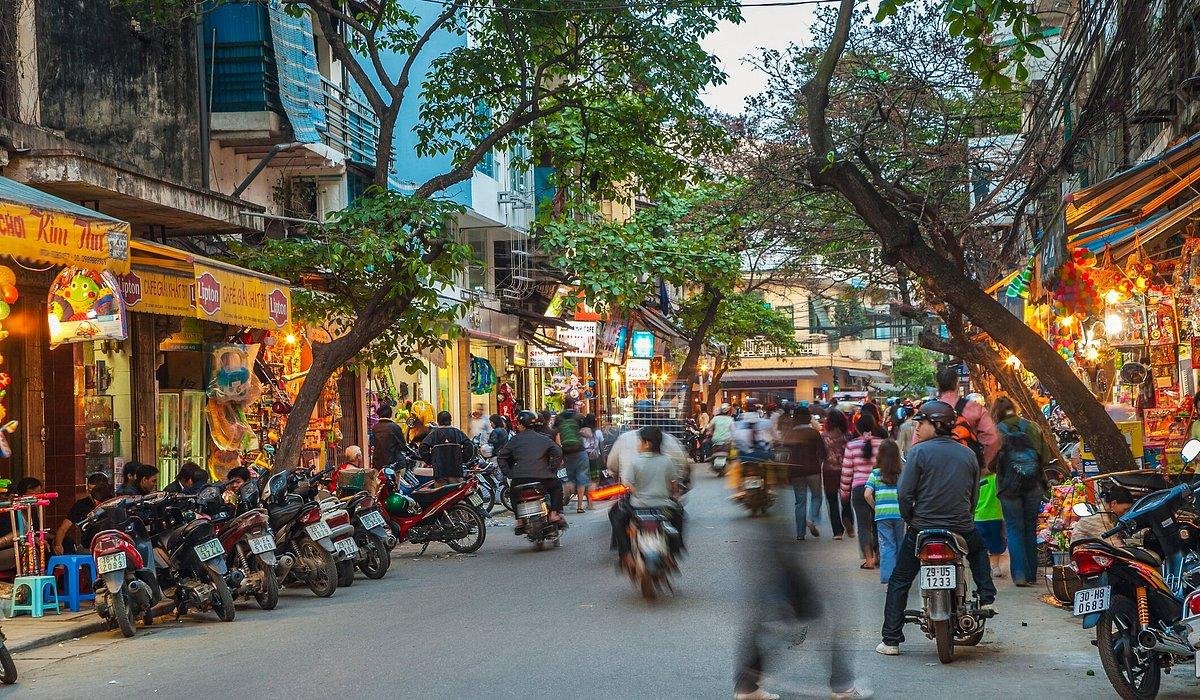
Areas to Be Aware Of in the Old Quarter
Several areas in and around the Old Quarter have reputations for after-hours activities that travelers should be aware of:
- Mã Mây and Tạ Hiện Streets – Popular with backpackers and tourists, these streets have numerous bars and clubs. While most are legitimate businesses, some establishments might propose additional services.
- Ngô Gách and Lãn Ông Streets – Known for certain massage establishments that may offer more than standard services.
- Areas near Hoàn Kiếm Lake – Particularly after midnight, you might encounter individuals approaching tourists offering various services.
Being aware of these areas doesn’t mean avoiding them entirely – they also contain many legitimate businesses, historical sites, and cultural attractions. Rather, it’s about understanding the context and being prepared for what you might encounter.
Common Establishments in the Nightlife Scene
Several types of venues in Hanoi might be associated with the informal red light scene:
- Massage Parlors – While many offer legitimate therapeutic services, establishments with heavily tinted windows, flashy neon signs, and promoters outside actively recruiting male tourists might offer additional services.
- Karaoke Bars – Some “exclusive” karaoke venues employ hostesses who sit with male customers. These range from innocent companionship to more explicit arrangements.
- “Bia Ôm” Establishments – Literally “hugging beer,” these venues employ women who sit with male patrons while they drink.
- Late-Night Cafes – Some cafes that stay open well past midnight may serve as meeting points.
As a responsible traveler, patronizing legitimate businesses while avoiding those that exploit workers is an important ethical consideration.
Safety Considerations for Travelers
Whether you’re exploring the lively nightlife or simply passing through areas with such establishments, here are important safety tips:
Stay Safe in Hanoi’s Old Quarter
- Travel in Groups – Especially after dark, it’s safer to explore with companions
- Maintain Awareness – Keep your wits about you, especially in crowded areas or late at night
- Avoid Excessive Alcohol – Being intoxicated makes you an easier target for scams or theft
- Decline Unwanted Approaches – A firm but polite “No, thank you” usually suffices
- Watch Your Belongings – Keep valuables secure and be wary of distraction techniques
- Use Reputable Transportation – Stick to registered taxis or ride-sharing apps like Grab
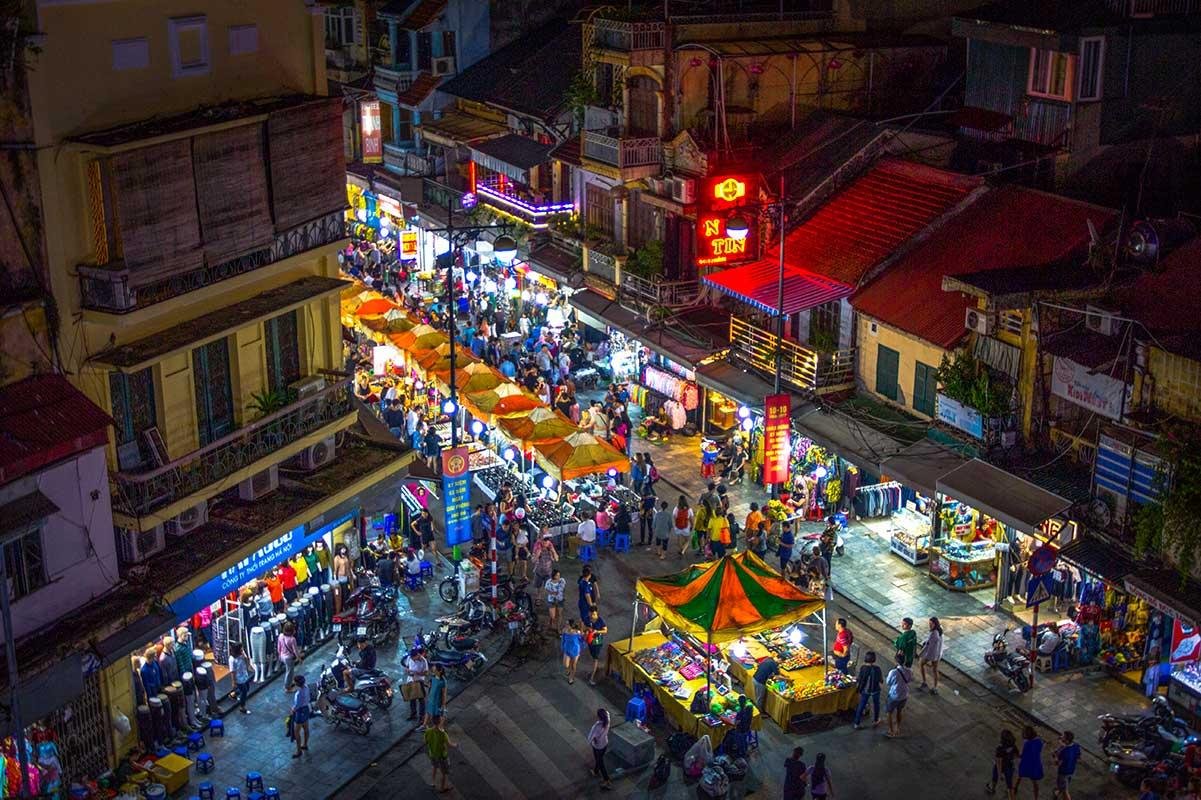
Legal Context and Enforcement
Prostitution is illegal in Vietnam, with penalties for both service providers and customers. Police periodically conduct raids on suspected establishments, which can lead to arrests, deportations, and significant legal troubles for foreigners involved.
Recent years have seen increased enforcement efforts, with authorities targeting both street-level activities and establishments offering such services. Travelers should understand that beyond ethical considerations, there are serious legal risks involved.
For more information about Vietnam’s legal regulations, visit the official Ministry of Foreign Affairs website.
Social Issues and Human Trafficking Awareness
It’s important to recognize that many individuals in the sex industry may be victims of trafficking or economic circumstances beyond their control. Vietnam, like many countries, continues to struggle with human trafficking issues despite significant prevention efforts.
Responsible travelers can support organizations working to provide education, healthcare, and alternative livelihood opportunities to vulnerable individuals. Organizations like Blue Dragon Children’s Foundation work to combat human trafficking and support victims.
Legitimate Nightlife Alternatives in Hanoi
Hanoi offers numerous exciting and legitimate nightlife options for travelers seeking evening entertainment:
- Ta Hien Beer Street – Experience the lively atmosphere of Hanoi’s famous beer street with affordable drinks and international crowds
- Rooftop Bars – Enjoy spectacular views of the city from legitimate, upscale venues
- Night Markets – Explore the vibrant weekend night market for souvenirs, food, and culture
- Coffee Culture – Experience Hanoi’s unique coffee scene, with many cafes open late
- Water Puppet Shows – Traditional entertainment showcasing Vietnamese cultural heritage
- Live Music Venues – From traditional Vietnamese music to contemporary international sounds
Cultural Etiquette and Respectful Tourism
Vietnam is a country with rich traditions and relatively conservative social values, especially outside major tourist areas. As visitors, respecting these norms helps preserve the cultural fabric and promotes positive interactions:
- Dress Modestly – Particularly when visiting temples, government buildings, or rural areas
- Learn Basic Vietnamese Phrases – Simple greetings and thank-yous go a long way
- Ask Before Photographing People – Especially in markets or rural villages
- Remove Shoes – When entering homes, some restaurants, and temples
- Use Both Hands – When giving or receiving items from others
For more information about Vietnamese culture and customs, check our guide to Old Quarter History & Culture.
Frequently Asked Questions
Is there a red light district in Hanoi?
Unlike Amsterdam or Bangkok, Hanoi does not have an official, designated red light district. Instead, certain activities may occur in various locations throughout the city, particularly in some areas of the Old Quarter after dark.
Is it safe to walk around Hanoi’s Old Quarter at night?
Generally, Hanoi’s Old Quarter is safe for tourists even at night. However, standard travel precautions apply: stay in well-lit areas, travel in groups when possible, maintain awareness of your surroundings, and keep valuables secure.
How can I identify legitimate massage businesses in Hanoi?
Legitimate massage businesses typically have transparent practices: clear pricing displayed, professional staff in uniforms, proper facilities, and no tinted windows or secretive atmosphere. Spas in reputable hotels or with positive reviews on travel platforms are usually safe choices.
What should I do if approached by someone offering illegal services?
Politely but firmly decline and walk away. A simple “No, thank you” or “Không, cảm ơn” (No, thank you in Vietnamese) is sufficient. If persistence becomes harassment, move toward more populated areas or seek assistance from nearby legitimate businesses.
Where can I find information about cultural shows and legitimate entertainment in Hanoi?
Check with your hotel concierge, official tourism information centers, or visit our guide to things to do in Hanoi Old Quarter for suggestions on cultural performances, tours, and entertainment options.
Guided Tours: A Safe Way to Experience Hanoi
For travelers concerned about navigating Hanoi independently, guided tours offer a safe and informative alternative. Professional guides can provide cultural context, ensure you visit legitimate establishments, and help avoid problematic areas:
- Hanoi Night Tours – Explore the city after dark with knowledgeable local guides
- Food Tours – Discover authentic Vietnamese cuisine at trusted establishments
- Walking Tours – Learn about the history and culture of the Old Quarter
Experience Hanoi Safely with Vietnam Travelers
Discover the authentic charm of Hanoi’s Old Quarter with our expert-guided tours. Our knowledgeable local guides will help you explore the rich history, delicious cuisine, and vibrant culture of Vietnam’s capital city.
Or contact us at +84962819091 to arrange a customized experience!
Conclusion: Staying Informed and Respectful
Understanding the social dynamics of Hanoi’s Old Quarter helps travelers navigate the city with both safety and respect for local culture. Rather than seeking out questionable establishments, travelers can best experience Hanoi by engaging with its rich legitimate offerings: stunning architecture, delicious cuisine, fascinating history, and warm hospitality.
By choosing ethical tourism options and supporting legitimate businesses, visitors contribute positively to Vietnam’s development while enjoying a more authentic experience of this remarkable city.
Have you visited Hanoi’s Old Quarter? Share your experiences and tips for fellow travelers in the comments below!
Note: This article is provided for informational and educational purposes only. Vietnam Travelers does not condone or promote any illegal activities and encourages all visitors to Vietnam to respect local laws and customs.