
Article brief
Sapa is a great place to visit if you love hiking and want to learn about Vietnam’s unique cultures.
Route flow, hotel placement and transfer timing are the three decisions that shape the whole trip.
Sapa is a great place to visit if you love hiking and want to learn about Vietnam’s unique cultures. It’s known for its amazing trekking routes and the colorful ethnic minority communities that live in the valleys and mountains around the town. Sapa is about 315 kilometers (200 miles) north of Hanoi. The trip to Sapa from Hanoi isn’t very long, but it can be challenging because of the mountain roads. To get there, you can choose from five main ways to travel: bus, limousine, train, taxi, or, if you’re feeling adventurous, by scooter. In this guide, we’ll cover everything you need to know to plan your trip to Sapa and enjoy all it has to offer.
Introduction to Hanoi and Sapa
Hanoi, Vietnam’s capital, is a dynamic city that blends a deep historical heritage with the energy of modern urban life. Its streets are alive with the hum of activity, offering a unique mix of ancient temples, traditional pagodas, French colonial architecture, and lively markets. Wander through the Old Quarter’s maze-like streets, savor authentic Vietnamese dishes like pho and banh mi, and soak in the city’s vibrant cultural atmosphere. Hanoi is a city where history and modernity come together to create an unforgettable experience.
Sapa, nestled in Vietnam’s northwest region, is a charming mountain town surrounded by the breathtaking Hoang Lien Son Mountains. Famous for its dramatic landscapes, terraced rice fields, and vibrant ethnic cultures, Sapa is a haven for nature lovers and adventure seekers. Visitors can trek through scenic trails, explore hill tribe villages, and immerse themselves in the traditions of local communities. Whether you’re drawn by its natural beauty or cultural richness, Sapa promises an enriching escape from the ordinary.
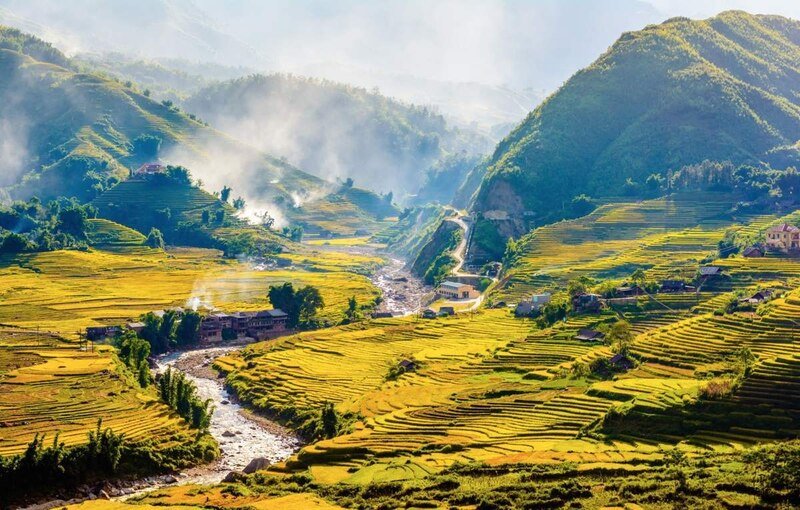
The journey to Sapa from Hanoi is more than just a transition between destinations—it’s an adventure in itself. As you travel through changing landscapes, you’ll witness the shift from Hanoi’s bustling urban vibe to the tranquil charm of rural Vietnam. The route is filled with lush valleys, misty mountains, and quaint villages, offering glimpses of the country’s diverse beauty. This journey not only connects two remarkable destinations but also sets the tone for the unforgettable experiences that await in Sapa.
Ways to Travel to Sapa from Hanoi
By Bus
Buses to Sapa from Hanoi frequently depart from Hanoi’s Old Quarter to Sapa, with departures almost every hour throughout the day. The trip takes approximately 5 to 5.5 hours. Buses operate daily but tend to be busier during weekends. Tickets for a one-way journey are priced at about 250,000 VND (around $13). The return route follows the same schedule and pricing.
By Train
Trains connect Hanoi to Sapa daily, with the journey lasting roughly 8.5 hours, depending on the number of stops. Upon arrival at Lao Cai Station (35 km from Sa Pa), you’ll need to take a taxi to your accommodation in Sapa. Train tickets cost around 320,000 VND (approximately $15) for a one-way ticket.
Discover the beauty of Sapa with our Easy Sapa Tour by Train & Shuttle Bus from Hanoi, perfect for an immersive experience.
By Limousine
Limousines, which are 10-seater minibuses, provide a more flexible travel option for traveling to Sapa from Hanoi. Operating every day of the week, they are especially popular during times when bus or train services are limited or unavailable, such as evenings or during the Vietnamese New Year.
Unlike buses, limousines offer pick-up and drop-off services at any location within Hanoi and Sa Pa, as well as at various junctions or stops along the route, even those not typically served by buses.
Traveling to Sapa from Hanoi by Scooter
For adventure enthusiasts, renting a scooter and riding to Sa Pa is an exhilarating option. The Hanoi-Lao Cai Expressway (CT05) is the quickest route between the two locations, typically taking about 5.5 hours under light traffic conditions. However, during peak hours, the journey may take significantly longer. Using Google Maps can make navigation much easier and help you stay on track.
Best Seasons to Visit Sapa
Timing your visit to Sapa from Hanoi is key to ensuring a memorable experience. This charming Vietnamese destination welcomes visitors year-round, but certain seasons stand out for their ideal weather and picturesque scenery. The best periods to visit are from March to May and September to November, when the mild climate and breathtaking landscapes are perfect for trekking and sightseeing.
Spring (March to May)
Spring in Sapa offers pleasant temperatures ranging from 10°C to 20°C. During this season, vibrant flowers bloom, and the rice fields turn a lush green. It’s an excellent time for outdoor activities and mingling with fellow travelers, as the town sees a surge in visitors.
Summer (June to August)
The summer months are warmer, with temperatures climbing to 30°C, accompanied by frequent rainfall. While this is considered the low season, it has its perks—fewer crowds and more affordable accommodations, all amidst Sapa’s lush, rain-soaked landscapes.
Autumn (September to November)
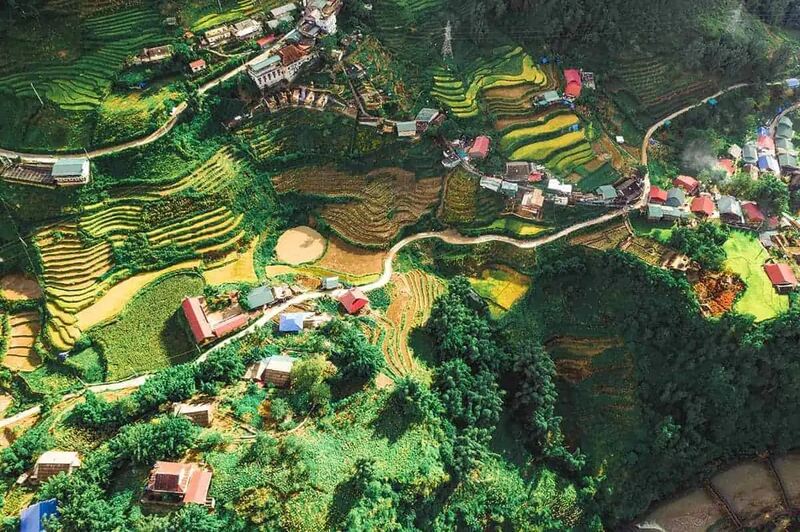
Autumn is arguably the most picturesque season during the Sapa day trip from Hanoi, with temperatures between 15°C and 20°C. This period is ideal for admiring the golden rice terraces and enjoying the cool, dry weather. It’s a favorite time for trekkers and photographers, thanks to the stunning scenery.
Winter (December to February)
Winter in Sapa is much cooler, with temperatures ranging from 0°C to 10°C. The possibility of snow and frost adds a magical touch, while peach blossoms lend bursts of color to the otherwise tranquil surroundings. This season is quieter and offers budget-friendly travel options.
| Season | Months | Temperature Range (°C) | Highlights | Tourist Activity Level |
| Spring | March to May | 10 to 20 | Blooming flowers, green rice fields | Peak |
| Summer | June to August | 20 to 30 | Lush landscapes, frequent rain | Low |
| Autumn | September to November | 15 to 20 | Golden rice terraces, cool weather | Moderate |
| Winter | December to February | 0 to 10 | Snow, frost, peach blossoms | Low |
Plan Your Visit
Understanding Sapa’s seasons helps you make the most of your trip. Each time of year offers unique experiences, from vibrant cultural events to serene natural beauty. To enhance your adventure, consider booking package tours or consulting local travel guides for insider tips. Whatever the season, Sapa promises unforgettable moments.
Embark on our Adventure Sapa Trip from Hanoi by Private Car 02 Days, blending adventure with cultural exploration.
10 Must-Do Activities in Sapa, Vietnam
Sapa, a picturesque town in northwestern Vietnam, is famous for its breathtaking rice terraces, cool mountain climate, and rich cultural heritage of ethnic minority groups. Known primarily as a trekking destination, Sapa offers trails that weave through stunning landscapes and charming villages.
But trekking isn’t the only reason to visit Sapa from Hanoi. From savoring traditional horse meat stew to taking a cable car to Vietnam’s tallest peak, here are ten unforgettable experiences to explore in this beautiful region.
1. Go Trekking
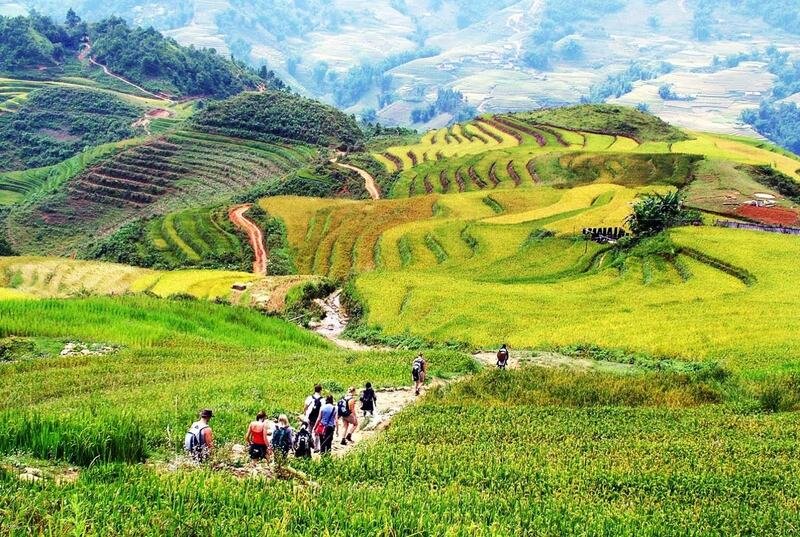
Trekking is the top activity for those traveling to Sapa from Hanoi, drawing travelers to this scenic mountain town. While I opted for a self-guided trek, many prefer multi-day guided treks with homestays in villages like Lao Chai, Ta Van, and Giang Ta Chai.
Popular trek durations range from 1 to 3 days, with prices typically between $20-40 USD per person per day, including meals and accommodations. You can book all-inclusive packages through Hanoi travel agencies or platforms like Get Your Guide.
For better deals, consider arranging treks upon arrival in Sapa. Locals may approach you with offers, but your hotel or homestay can also help organize treks and tours.
2. Try Horse or Salmon Hot Pot
Food lovers should not miss thang co, a traditional H’mong horse meat stew. This hot pot dish is made with various meats like beef, pork, buffalo, or goat, but horse meat is the star ingredient. Using every part of the horse—liver, lungs, intestines, and more—thang co is simmered with up to 12 spices for hours, making it a unique culinary experience in Vietnam.
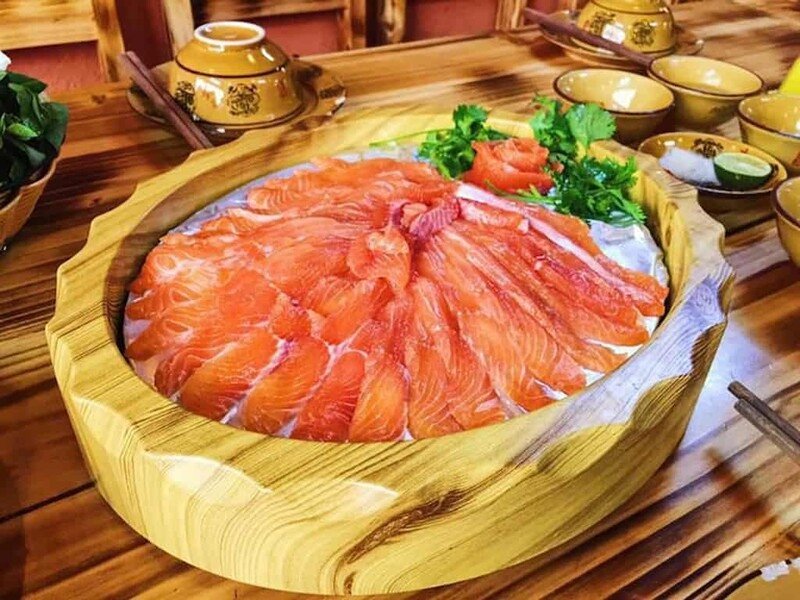
If horse meat isn’t your preference, try salmon hot pot, another local specialty. Rainbow trout, introduced to Sapa in 2005, thrives in the region’s cool climate, making salmon hot pot a popular choice, especially in winter.
Restaurants serving thang co often have salmon hot pot on the menu as well. Portions are usually for two, but A Phu Restaurant kindly offered me a single serving of thang co.
3. Ride the Cable Car to Fansipan
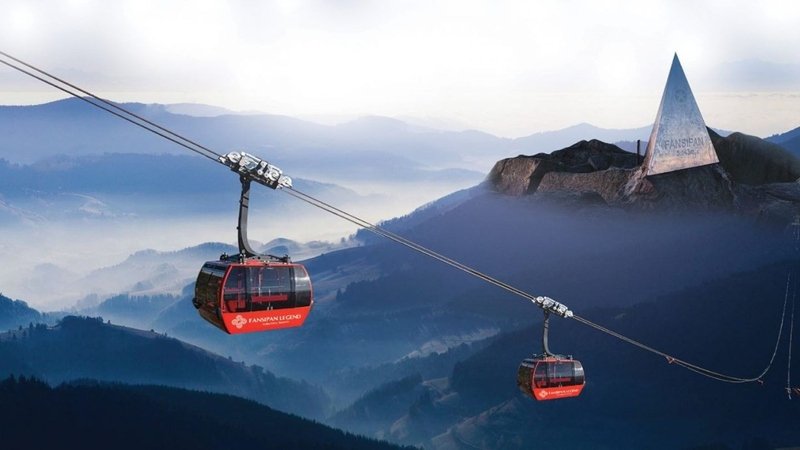
Fansipan Mountain, standing at 3,147 meters (10,326 ft), is the tallest peak in the Indochine Peninsula and a highlight of Sapa. On clear days, it offers breathtaking views of the valleys below, making a cable car ride to the summit one of Sapa’s must-do activities.
The roundtrip cable car ride costs VND 800,000 and takes about 15-20 minutes. Once at the station, you can either climb 600+ steps to the peak or pay an extra VND 70,000 (each way) for the funicular.
Weather plays a big role in your experience. Cloudy conditions can obscure the view, so check with your hotel or local guides for advice on the best day to visit. March to April are typically the clearest months for traveling to Sapa from Hanoi.
Tickets for the cable car and funicular can be purchased on-site or in advance through platforms like Klook. Guided trekking tours to Fansipan are also available on Get Your Guide.
4. Hike to Love Waterfall
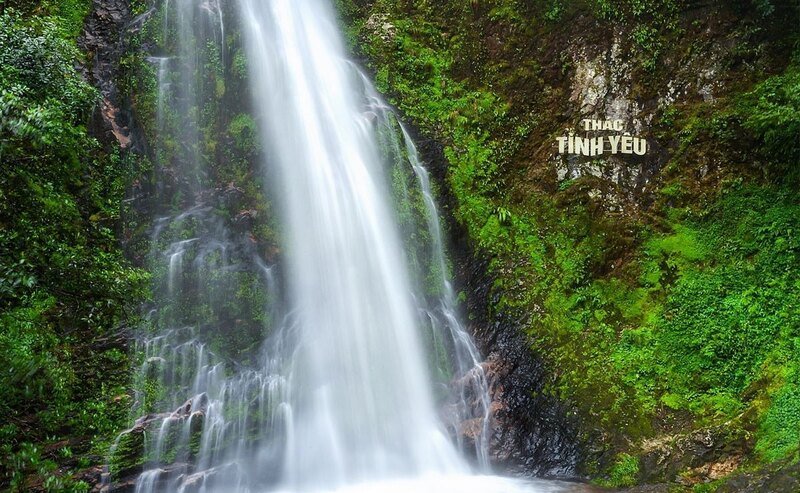
Love Waterfall, located 15 km west of Sapa in San Sa Ho Commune, is one of the most stunning waterfalls in the area. Hidden in a forest, it requires a 30-minute hike through a scenic cobblestone path surrounded by lush greenery to reach.
The waterfall is tied to a local legend about a fairy who fell in love with a flute-playing boy. Forbidden by her parents to see him, she transformed into a bird to stay close to the falls.
We loved the peaceful trek to the waterfall as much as the destination itself. There were only a few visitors during our visit, making it a serene experience.
Due to its distance, you’ll need transportation to get there. I paid VND 250,000 for a motorbike ride to both Love Waterfall and Silver Waterfall, arranged through my hotel.
5. Climb Silver Waterfall
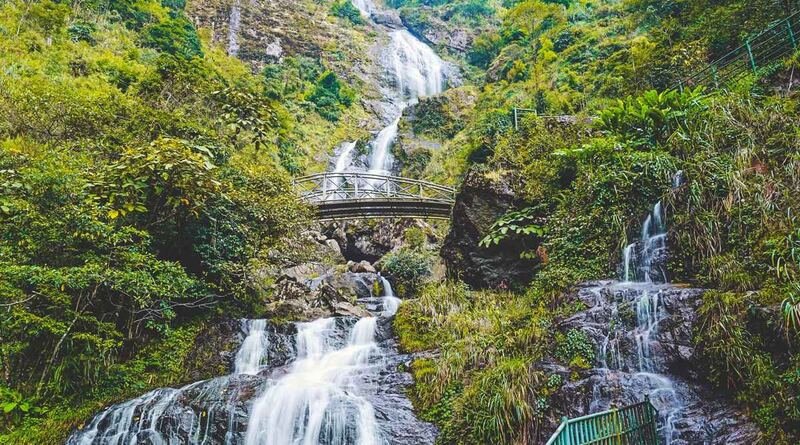
Silver Waterfall, or Thac Bac, is located along the main road between Sapa town and Love Waterfall, just under 3 km before reaching the latter. This makes it convenient to visit both on the same day when traveling to Sapa from Hanoi.
Though larger and more striking than Love Waterfall, Silver Waterfall’s roadside location can feel less tranquil, attracting more tourists. Stairs on either side of the falls lead to a steel viewing bridge that offers fantastic photo opportunities as it spans across the waterfall.
6. Breakfast with a View
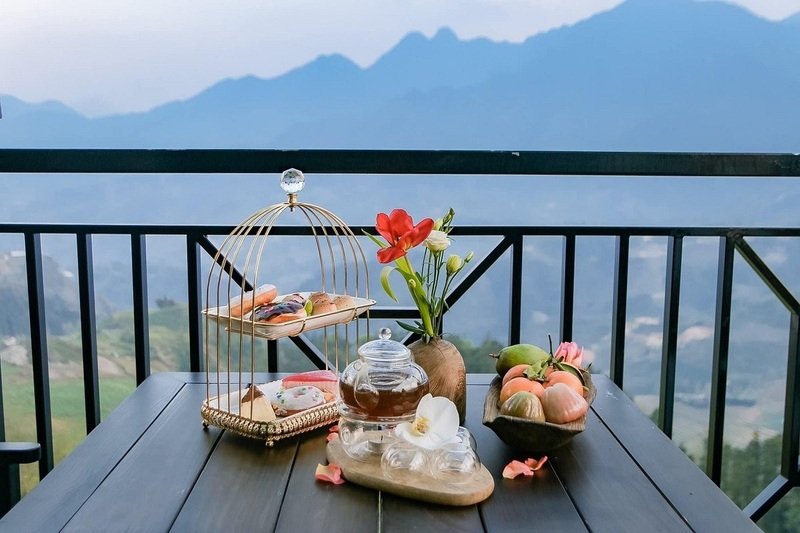
Before exploring Cat Cat Village, consider starting your day with breakfast on your trip to Sapa from Hanoi with a meal on Fansipan Street. This winding road descends from Sapa town to Cat Cat Village, offering several restaurants with stunning views of rice terraces and the valley below.
We enjoyed a hearty “big mountain breakfast” at Sapa Natureview Hotel & Restaurant, but there are plenty of options to choose from along this scenic route.
7. Explore Cat Cat Village
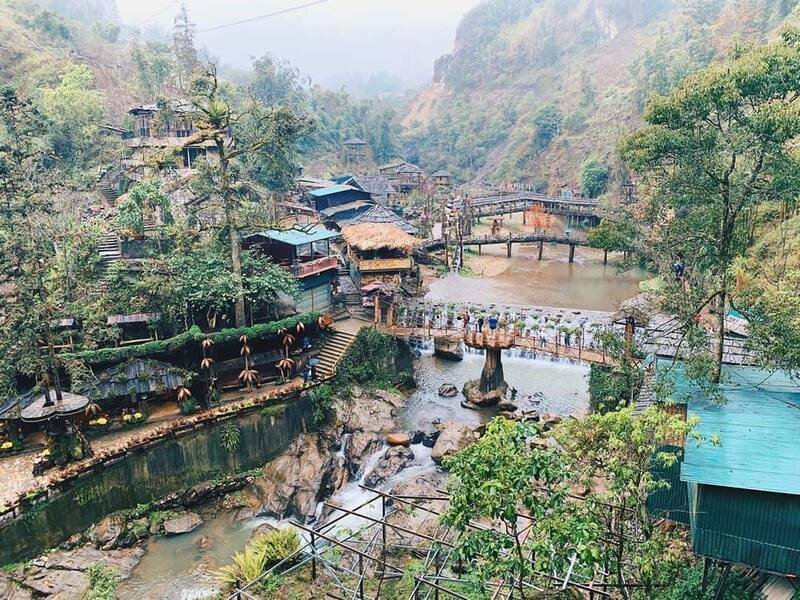
After breakfast, follow Fansipan Street downhill to Cat Cat Village, the nearest hill tribe village and an easy trek from Sapa. Established in the 19th century by H’mong and Dzao families, the village is now a bustling tourist spot with cafes, restaurants, and souvenir shops.
While picturesque, Cat Cat Village is quite touristy, with visitors dressing in traditional H’mong costumes for photo ops. If you’re looking for a quieter experience, continue walking past the village to discover trails leading to other local villages like Lao Chai, Ta Van, and Giang Ta Chai.
The village is named after Cat Cat Waterfall, also known as Tien Sa Waterfall, one of its main attractions.
Keep in mind that while the downhill walk to Cat Cat Village is easy, the climb back to Sapa is steep and tiring. Many locals offer motorbike rides back for about VND 50,000, which can save you from an exhausting return trek.
8. Visit Sapa Museum
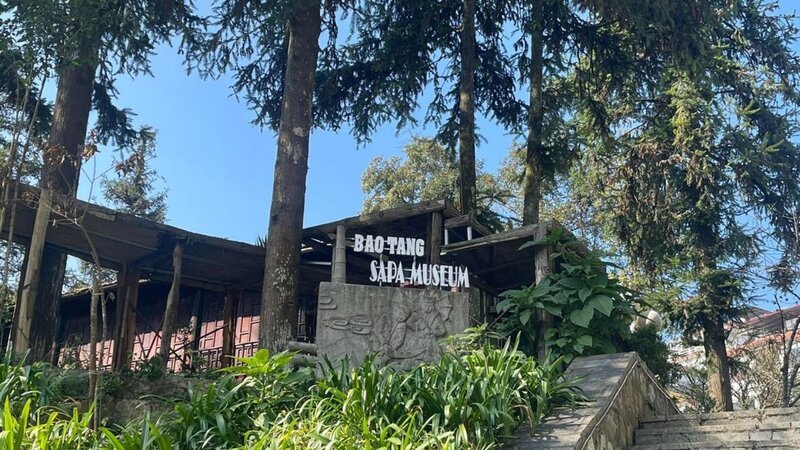
Located near Sapa Station on the second floor of a handicrafts shop, Sapa Museum offers a glimpse into the history and cultures of the region’s ethnic groups. While small and modest, it’s an informative stop for those traveling to Sapa from Hanoi interested in Sapa’s heritage. Admission is free, making it a quick and worthwhile visit during your stay.
9. Enjoy a Meal at The Hill Station – CLOSED
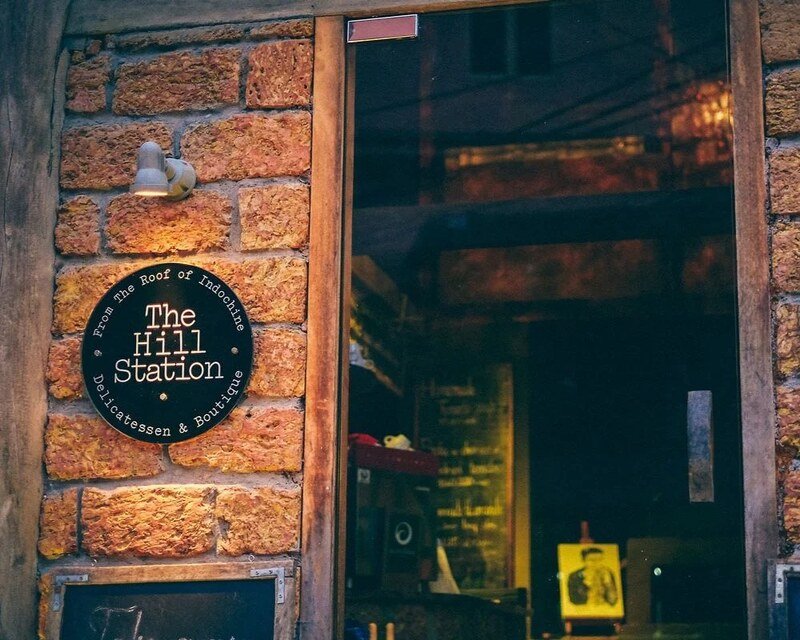
The Hill Station was known as one of Sapa’s finest dining spots, offering traditional dishes with an elegant twist. Its signature restaurant, part of a boutique hotel, served memorable meals like smoked buffalo with pickled vegetables and Dzay sticky rice. Although now closed, it was a highlight for many visitors to Sapa.
10. Sip Coffee on Dao Coffee’s Roof Deck
The area around Sapa Park comes alive in the evenings, making it a perfect spot for people-watching over a coffee or beer. For the best views, head to Dao Coffee, which features a cozy roof deck with counter seating overlooking downtown Sapa.
Relaxing with a hot Vietnamese coffee while soaking in the cool mountain air was one of the most enjoyable moments during the trip to Sapa from Hanoi.
Travel with Vietnam Travelers: More Than Just Tours to Sapa
At Vietnam Travelers, we specialize in creating unforgettable travel experiences that showcase the best of Vietnam’s natural beauty and cultural heritage. While our Sapa from Hanoi tours are a highlight, offering seamless journeys to this enchanting highland town, our offerings extend far beyond. We take pride in curating tours to some of Vietnam’s most stunning destinations, such as the majestic Ha Long Bay, the tranquil Mekong Delta, and the cultural gems of Hue and Hoi An.
Each of our packages combines comfort, safety, and authentic local experiences to suit every traveler’s needs. Whether you’re trekking through the rice terraces of Sapa, exploring the limestone karsts of Ha Long Bay, or cruising along the lush waterways of the Mekong, Vietnam Travelers ensures every moment of your trip is extraordinary. Ready to start your adventure? Contact us today and let us help you discover the beauty of Vietnam!