
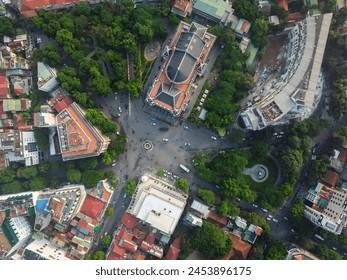
Article brief
Nestled in the heart of Vietnam's capital, the Super Old Quarter of Hanoi stands as a living museum where ancient traditions blend seamlessly with modern life.
Route flow, hotel placement and transfer timing are the three decisions that shape the whole trip.
Nestled in the heart of Vietnam’s capital, the Super Old Quarter of Hanoi stands as a living museum where ancient traditions blend seamlessly with modern life. This historic district, with its maze of narrow streets and historic buildings, offers visitors an authentic glimpse into Vietnam’s rich cultural heritage spanning over 1,000 years.
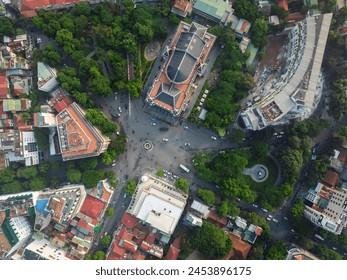
The Super Old Quarter isn’t just a tourist destination—it’s the beating heart of Hanoi, where locals live, work, and preserve centuries-old traditions that have survived wars, colonization, and rapid modernization. In this comprehensive guide, we’ll walk you through the history, hidden gems, and essential experiences of Hanoi’s most authentic neighborhood.
The Rich History of Hanoi’s Old Quarter
To truly appreciate the Super Old Quarter, one must understand its fascinating origins. Dating back to the 11th century during the Lý Dynasty, this area began as a cluster of villages populated by craftsmen who gathered near the royal palace.
“The Old Quarter represents the eternal soul of Hanoi—a place where every street, building, and alleyway tells a story of Vietnam’s resilient spirit through centuries of change.” – Vietnamese historian Nguyễn Văn Huy
By the 13th century, these villages had organized themselves around specific trades, giving birth to the famous “36 streets” system that continues to define the Old Quarter today. Each street specialized in a particular product, reflected in their names:
- Hàng Bạc (Silver Street) – traditional silversmiths and jewelry
- Hàng Gai (Hemp Street) – silk products and traditional fabrics
- Hàng Mã (Paper Offerings Street) – ceremonial paper items
- Hàng Đường (Sugar Street) – sweets and confectioneries
- Hàng Đào – once for silk dyers, now clothing shops
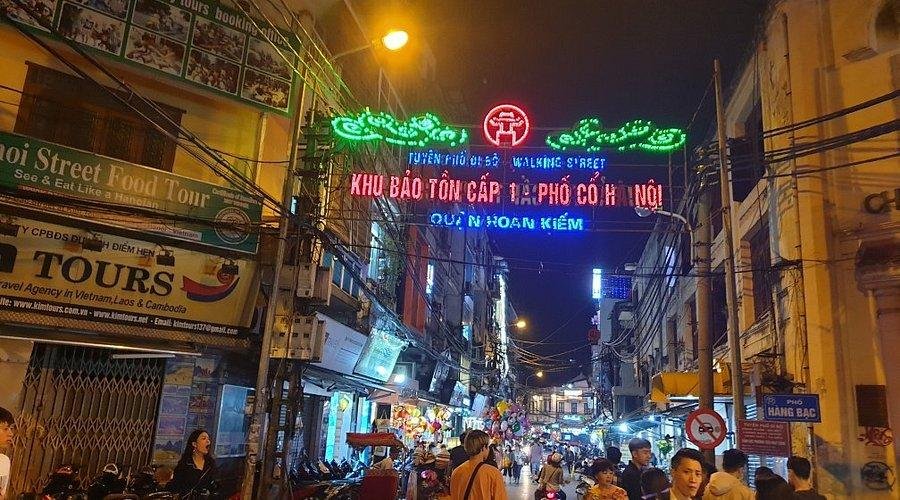
This guild-based organization created not just an economic system but a unique cultural and architectural landscape that has survived centuries of dramatic change—from Chinese rule to French colonization to American bombing during the Vietnam War.
Architectural Treasures of the Super Old Quarter
Walking through the Super Old Quarter is like stepping into a living architectural textbook. The area showcases a fascinating blend of architectural styles:
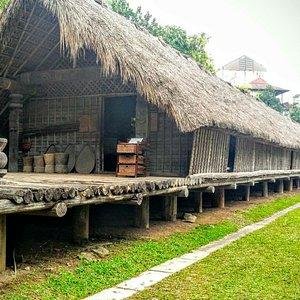
Tube Houses: Uniquely Vietnamese Urban Design
The most distinctive architectural feature of the Old Quarter is the “tube house” (nhà ống). These narrow buildings—sometimes just 2 meters wide but stretching back 50-60 meters—developed as a response to taxes based on street frontage during feudal times.
These uniquely Vietnamese structures typically feature:
- Multiple courtyards for light and ventilation
- Family altar spaces in the center of the home
- Living quarters in the back
- Commercial space in the front facing the street
French Colonial Influences
During their occupation (1883-1954), the French left an indelible mark on Hanoi’s architecture. In the Old Quarter, you’ll find:
- Buildings with distinctive yellow facades
- Elegant balconies with wrought-iron railings
- French shutters and doors
- Decorative tiles and details
This architectural fusion creates the Old Quarter’s unique character: traditional Vietnamese designs with European embellishments, creating a visual testament to Vietnam’s complex history.
Must-Visit Streets in the Super Old Quarter
While all 36 streets hold historical significance, some offer particularly rewarding experiences for visitors:
Ta Hien Street: The Heart of Old Quarter Nightlife
Ta Hien, affectionately known as “Beer Street,” is the epicenter of the Old Quarter’s nightlife. As darkness falls, this narrow lane transforms into a vibrant social hub where travelers and locals alike gather on tiny plastic stools, enjoying cheap fresh beer (bia hoi) and street food.
Read more about this lively street in our guide to Ta Hien Beer Street.
Hang Gai: The Silk Street
Hang Gai remains one of the Old Quarter’s most elegant streets, lined with shops selling high-quality silk products, from traditional Vietnamese attire to modern fashion items. Many stores offer tailoring services, creating custom garments within 24-48 hours.
Hang Ma: The Colorful Festival Street
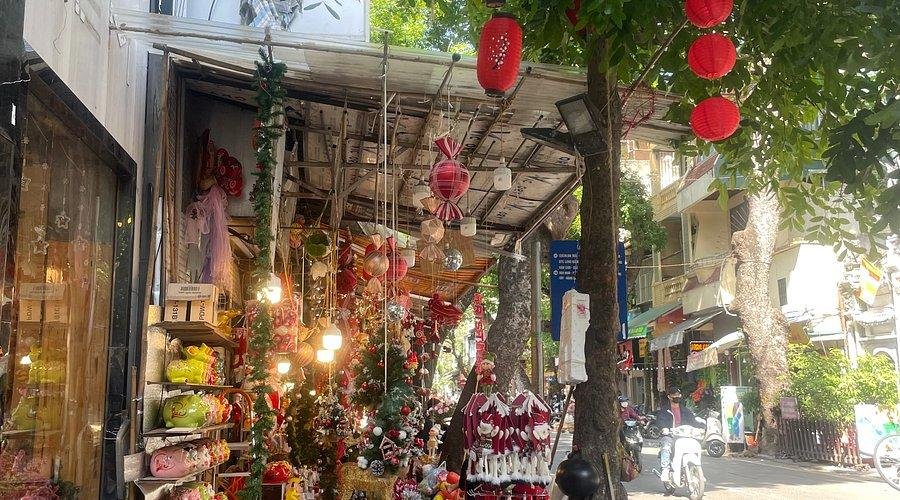
Hang Ma specializes in colorful paper products and ceremonial items for Vietnamese festivals. This street becomes particularly vibrant before major celebrations like Tet (Lunar New Year), Mid-Autumn Festival, and Ghost Festival, when it’s adorned with red lanterns, paper offerings, and festive decorations.
Lan Ong: The Traditional Medicine Street
Lan Ong offers a fascinating glimpse into traditional Vietnamese medicine. The street is lined with shops selling herbs, roots, dried insects, and other natural remedies. The enticing aromas of medicinal herbs create a unique sensory experience as you walk down this historic lane.
Culinary Adventures in Hanoi’s Old Quarter
The Super Old Quarter is a paradise for food enthusiasts, offering some of Vietnam’s most authentic culinary experiences from street food stalls to hidden family restaurants.
Street Food Gems
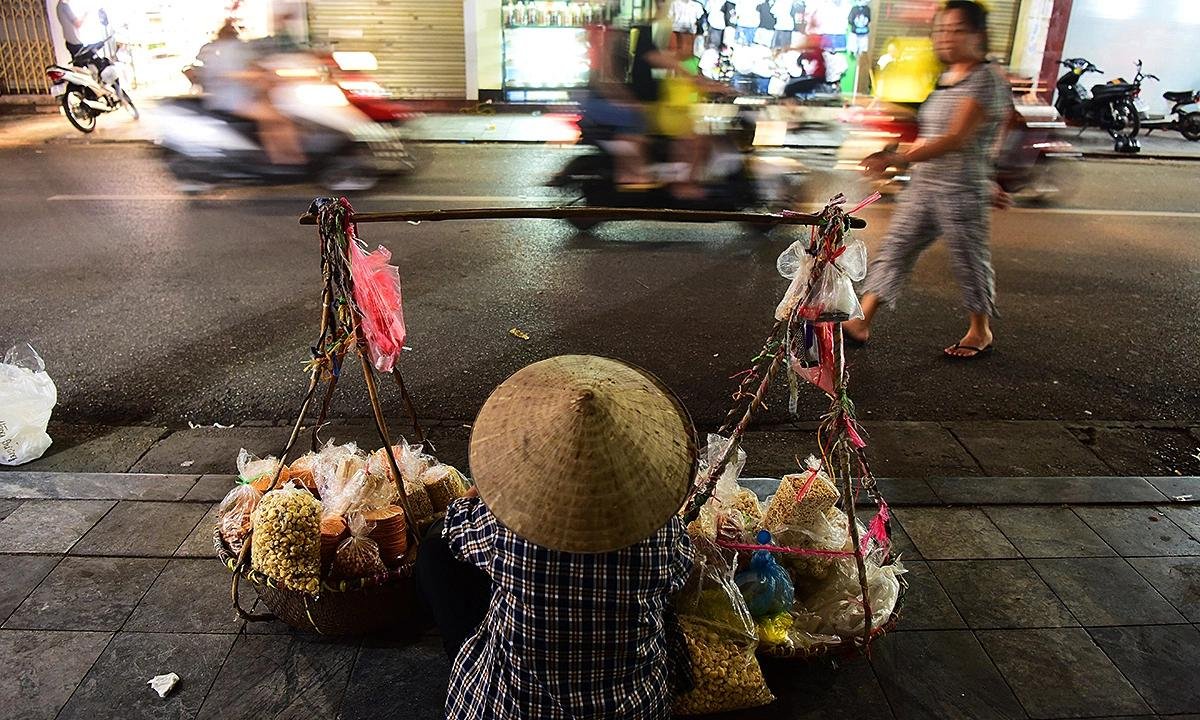
The Old Quarter’s street food scene is legendary, with some stalls specializing in a single dish perfected over generations:
- Bún Chả – Grilled pork served with rice noodles and herbs (famously enjoyed by Anthony Bourdain and President Obama)
- Phở – Vietnam’s iconic rice noodle soup with beef or chicken
- Bánh Mì – Vietnamese sandwich with French influence, filled with meats and fresh herbs
- Egg Coffee (Cà Phê Trứng) – A Hanoi specialty of coffee topped with whipped egg yolk and sugar
For a detailed guide to the best street eats, check out our article on Street Food in Hanoi Old Quarter.
Hidden Local Restaurants
Beyond street food, the Old Quarter houses numerous family-run restaurants serving traditional Vietnamese cuisine in atmospheric settings:
- Chả Cá Lã Vọng – A century-old restaurant famous for its turmeric-marinated fish
- Bún Bò Nam Bộ Bách Phương – Serving delicious southern-style beef noodles
- Xôi Yến – Specializing in savory sticky rice dishes
For more dining recommendations, visit our comprehensive guide to Best Restaurants in Hanoi Old Quarter.
Cultural Experiences in the Super Old Quarter
The Old Quarter offers numerous opportunities to experience authentic Vietnamese culture:
Traditional Craft Workshops
Several streets in the Old Quarter host workshops where artisans continue centuries-old crafts:
- Traditional lacquerware making on Hàng Quạt
- Silver crafting on Hàng Bạc
- Silk weaving demonstrations on Hàng Gai
Many workshops welcome visitors and offer hands-on experiences, providing insight into Vietnam’s rich artistic heritage.
Ancient Temples and Historic Sites
Scattered throughout the Old Quarter are ancient temples and historic buildings:
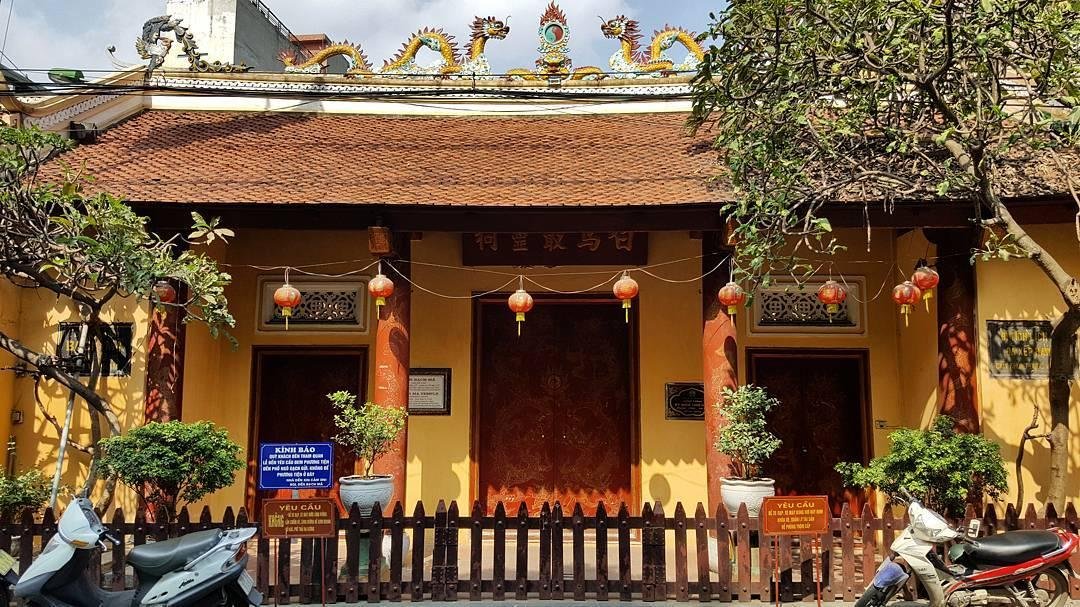
- Bach Ma Temple – The oldest temple in Hanoi, dating back to the 11th century
- Đồng Xuân Market – A historic market building constructed during French colonial times
- Heritage House at 87 Mã Mây – A preserved traditional merchant’s home
- Quán Thánh Temple – An ancient Taoist temple at the edge of the Old Quarter
Weekend Night Market
Every Friday, Saturday, and Sunday evening, the streets from Hàng Đào to Đồng Xuân Market transform into a bustling pedestrian-only night market. This vibrant market offers everything from souvenirs and clothing to street food and live music performances.
Learn more about this exciting weekend attraction in our article on Hanoi Old Quarter Night Market.
Where to Stay in Hanoi’s Super Old Quarter
The Old Quarter offers a wide range of accommodation options:
Budget-Friendly Hostels
The Old Quarter is a backpacker’s paradise, with numerous hostels offering affordable beds in social settings. Most provide free breakfast, communal areas, and helpful travel information.
For detailed recommendations, visit our guide to Hostels in Hanoi Old Quarter.
Boutique Hotels
For travelers seeking more comfort without sacrificing authentic character, the Old Quarter’s boutique hotels offer personalized service in historic buildings. Many feature traditional Vietnamese design elements combined with modern amenities.
Explore our recommendations for Boutique Hotels in Hanoi Old Quarter.
Luxury Options
Even luxury travelers can find exceptional accommodations within or near the Old Quarter. Several international hotel chains and high-end Vietnamese brands operate properties that combine luxury with local character.
See our guide to Luxury Hotels in Hanoi Old Quarter for more information.
Navigating the Super Old Quarter
The Old Quarter’s maze-like structure can be challenging to navigate, but that’s part of its charm. Here are some tips:
- The area is highly walkable, but streets can be crowded with motorbikes and vendors
- Download an offline map application before exploring
- Use landmarks like Hoàn Kiếm Lake for orientation
- Consider a guided walking tour for your first day to get oriented
- Cyclos (cycle rickshaws) offer a traditional way to explore the area
For detailed navigation tips, see our Hanoi Old Quarter Map guide.
Frequently Asked Questions About Hanoi’s Super Old Quarter
What is the best time to visit Hanoi’s Old Quarter?
The most pleasant time to visit is during spring (February-April) and autumn (September-November) when temperatures are moderate and rainfall is lower. The Old Quarter is particularly magical during Tet (Lunar New Year, usually in January/February) when it’s decorated with festive lights and traditional ornaments.
How many days should I spend exploring the Old Quarter?
While you could walk through the Old Quarter in a day, we recommend at least 2-3 days to truly experience its atmosphere, explore its hidden corners, and sample its culinary offerings. This gives you time to visit at different hours and see how the district transforms from morning markets to evening revelry.
Is the Old Quarter safe for tourists?
The Old Quarter is generally very safe for tourists. Violent crime is rare, though petty theft and scams can occur in crowded areas. Use common sense: keep valuables secure, be cautious with expensive cameras, and negotiate prices before services. The biggest danger is probably crossing streets amid the chaotic traffic!
Responsible Tourism in the Super Old Quarter
As a centuries-old living community, the Old Quarter faces challenges from mass tourism. Here’s how you can be a responsible visitor:
- Respect local customs and dress modestly when visiting temples
- Ask permission before photographing locals
- Support small, family-run businesses rather than chains
- Learn a few Vietnamese phrases – locals appreciate the effort
- Be mindful of noise levels, especially in residential areas
- Reduce plastic waste by carrying a reusable water bottle and shopping bag
Experience the Super Old Quarter with Vietnam Travelers
At Vietnam Travelers, we specialize in authentic experiences that connect visitors with Vietnam’s rich cultural heritage. Our expert guides can help you discover the hidden treasures of Hanoi’s Super Old Quarter that most tourists miss.
Our walking tours include:
- Hanoi All-In-One Walking Tour – Comprehensive introduction to Old Quarter highlights
- Old Quarter Street Food Tour – Sample the best authentic dishes with expert guidance
- Historical Jeep Tour – Explore the Old Quarter in vintage style
Ready to Explore Hanoi’s Super Old Quarter?
Contact our team to create your personalized Old Quarter experience. We can arrange accommodations, guided tours, and authentic cultural experiences tailored to your interests.
Call us: +84962819091 or Email: info@vietnamtravelers.com
Hanoi’s Super Old Quarter is more than just a tourist destination—it’s a living testament to Vietnam’s remarkable history and vibrant culture. By exploring its ancient streets with respect and curiosity, you’ll discover the authentic heart of Vietnam that continues to beat strongly despite centuries of change.
Have you visited Hanoi’s Old Quarter? Share your experiences and questions in the comments below!