
Article brief
Stepping into Hanoi's French Quarter is like traveling back in time to an era when Vietnam was part of French Indochina.
Route flow, hotel placement and transfer timing are the three decisions that shape the whole trip.
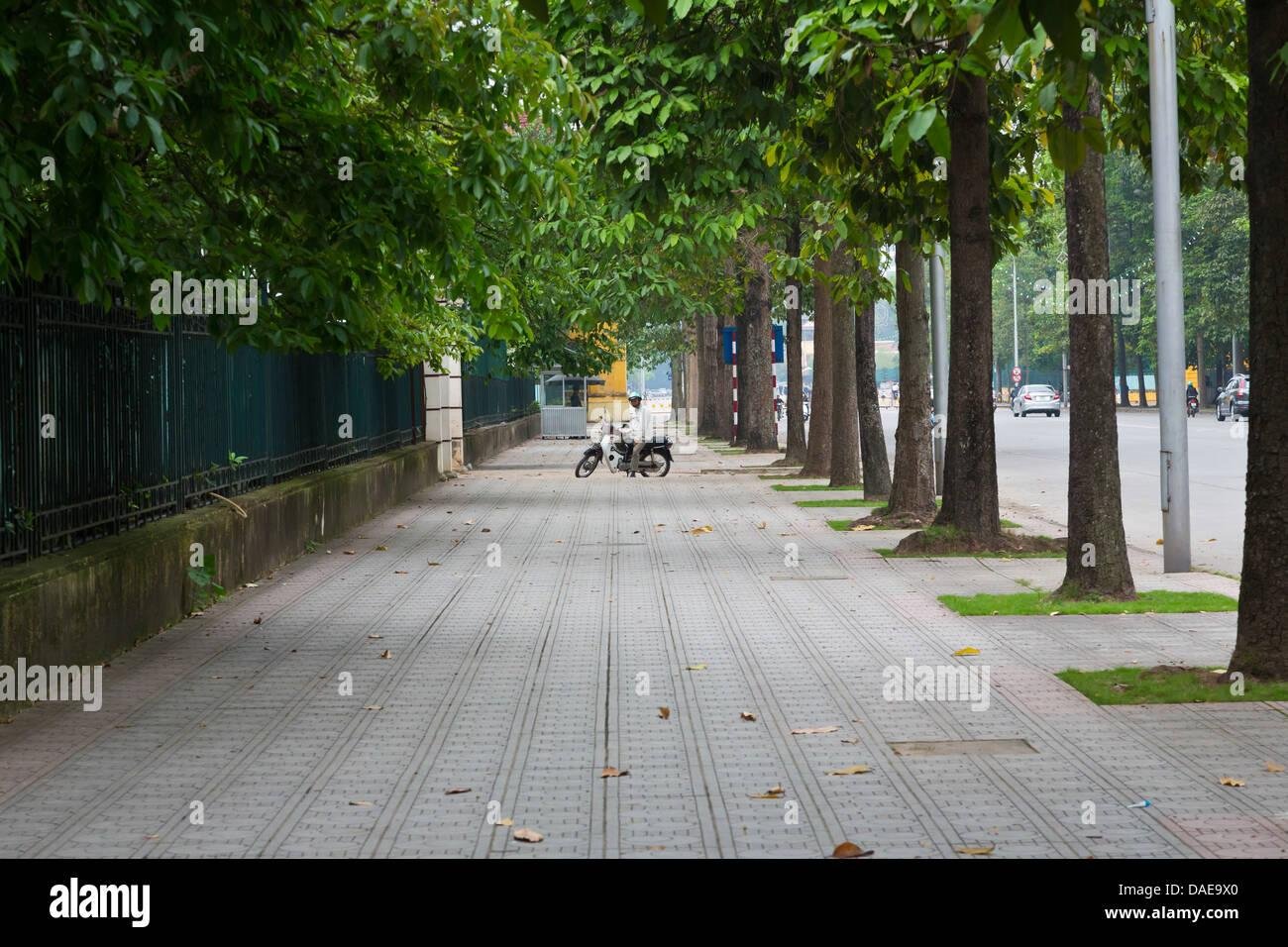
Stepping into Hanoi’s French Quarter is like traveling back in time to an era when Vietnam was part of French Indochina. This historic district, with its elegant colonial architecture and tree-lined boulevards, tells the fascinating story of cultural fusion, political transformation, and architectural evolution that shaped modern-day Hanoi.
The Birth of a Colonial District (1880s-1920s)
The French Quarter in Hanoi began to take shape in the 1880s when French colonial administrators decided to establish a modern administrative district separate from the traditional Vietnamese Old Quarter. Unlike the narrow, winding streets of the ancient commercial district, the French envisioned wide boulevards, geometric city planning, and grand colonial buildings that would serve as symbols of their imperial power.
“The French Quarter was not just an administrative center; it was a statement of colonial ambition and European urban planning principles applied to Southeast Asian soil.” – Pierre Brocheux, French Colonial Historian
The construction began with the Governor General’s Palace (now the Presidential Palace) in 1886, designed by Auguste Henri Vildieu. This grand structure, inspired by the Palace of Versailles, became the centerpiece around which the entire French administrative district would develop.
Key Development Phases
- 1880s-1890s: Initial planning and construction of major government buildings
- 1900s-1910s: Expansion of residential areas for French officials and wealthy Vietnamese
- 1920s-1930s: Peak period of architectural development and urban refinement
- 1940s: Final additions before the end of French colonial rule
Architectural Marvels and Urban Planning
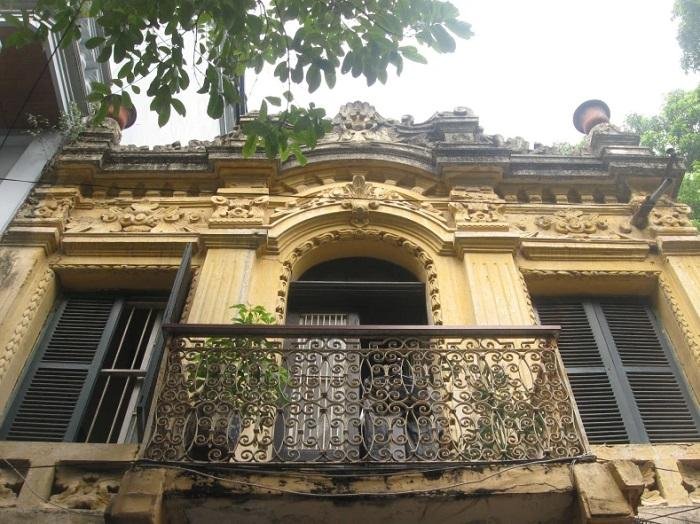
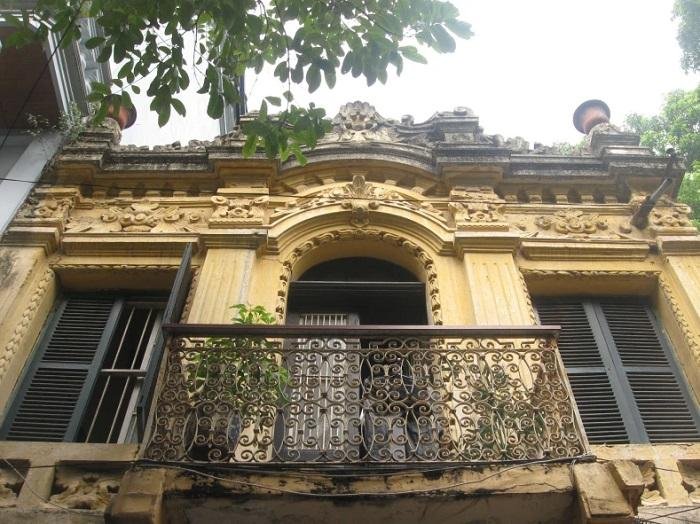
The French colonial architecture in Hanoi represents a unique blend of European design principles adapted to tropical climate conditions. French architects and urban planners created a district that was both functional and aesthetically impressive, incorporating elements that would protect buildings from Vietnam’s hot, humid summers and heavy monsoon rains.
Distinctive Architectural Features
The buildings in Hanoi’s French Quarter showcase several distinctive characteristics:
- High ceilings and large windows for natural ventilation
- Wide verandas and covered balconies to provide shade
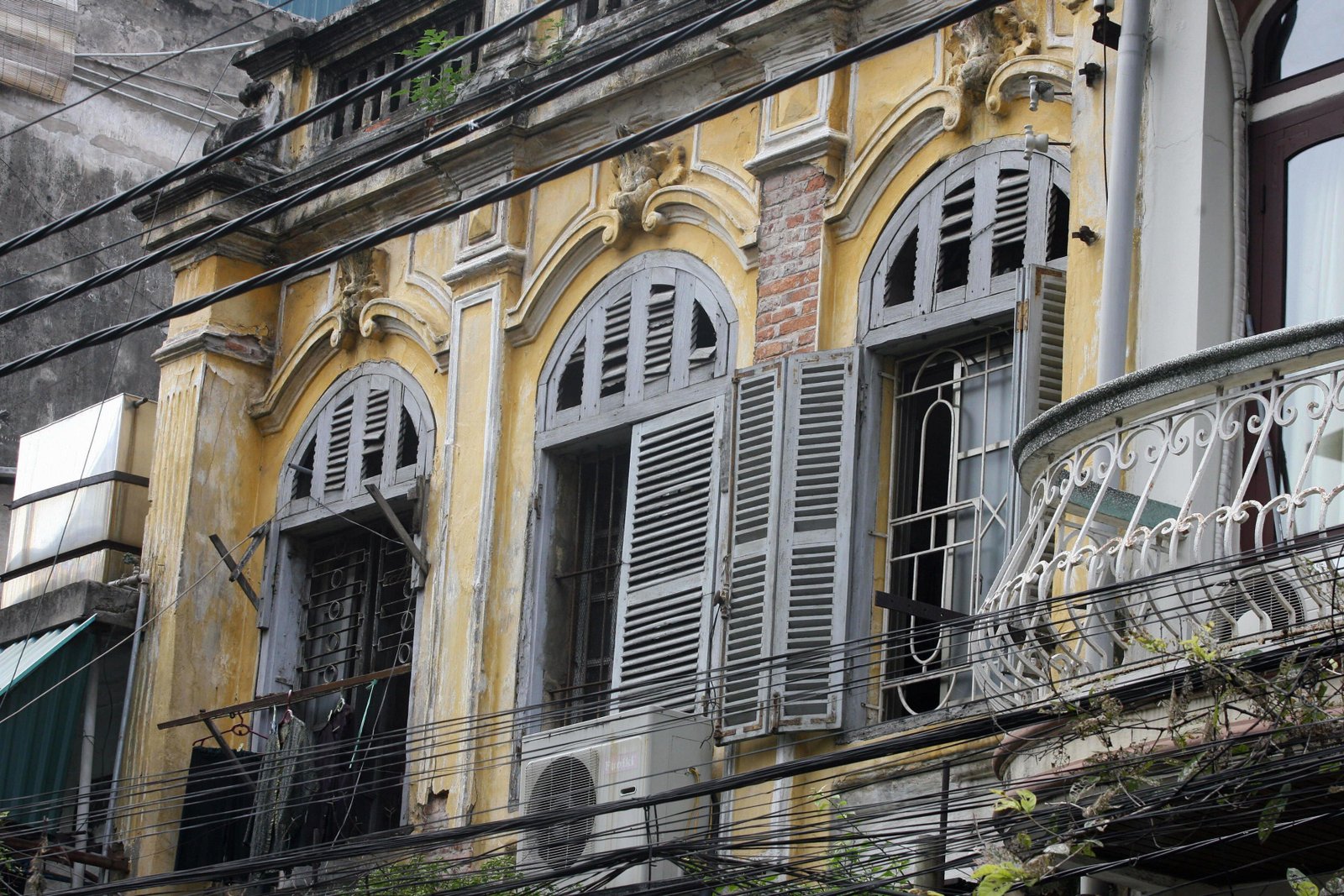
- Yellow ochre color schemes that became synonymous with French colonial style
- Shuttered windows for climate control and privacy
- Ornate ironwork on balconies and gates
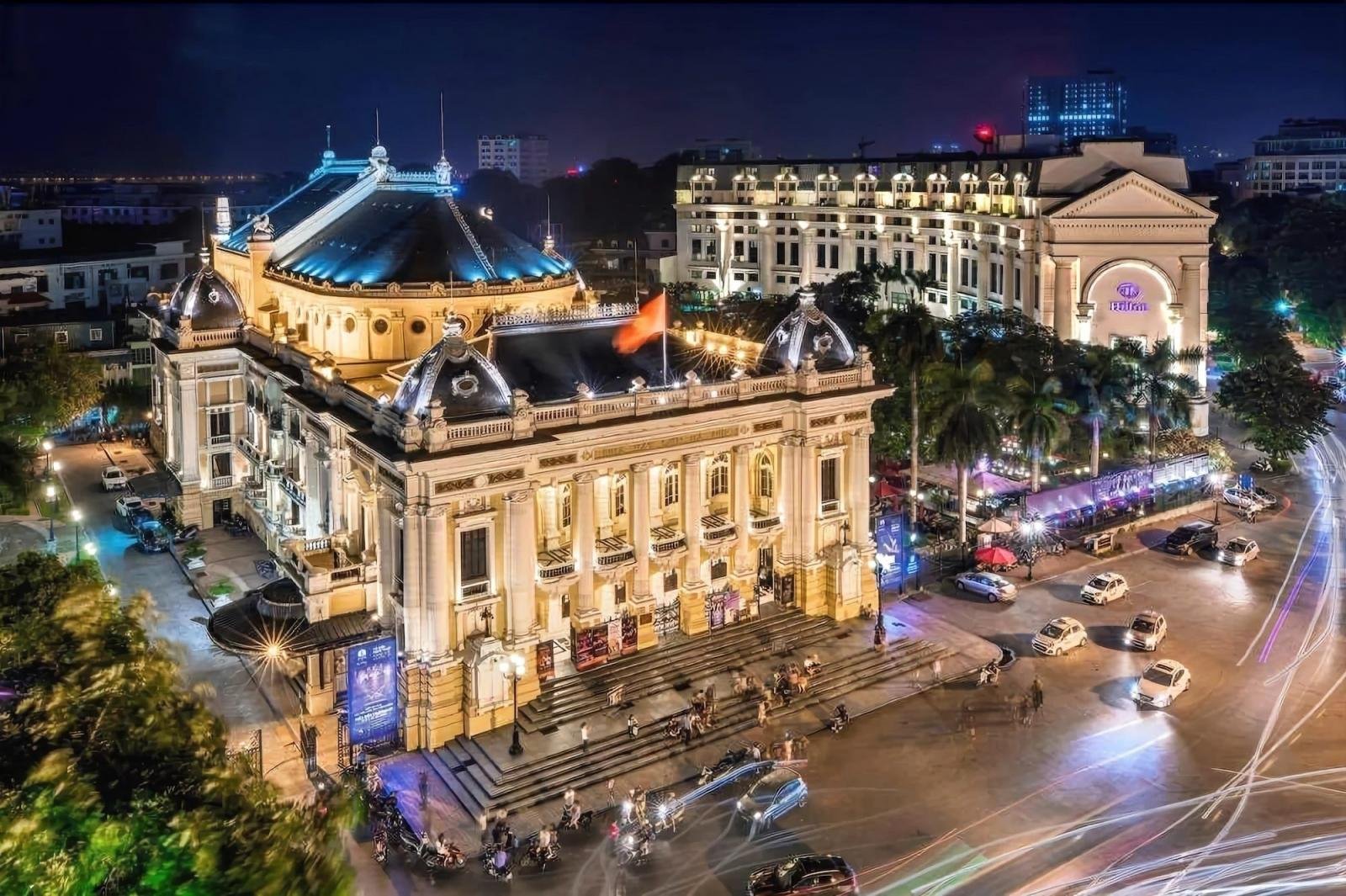
Notable architectural landmarks include the Hanoi Opera House (completed in 1911), modeled after the Paris Opera, and the St. Joseph’s Cathedral, which draws inspiration from Notre-Dame de Paris. These buildings continue to serve as cultural and religious centers today, making them perfect stops on any French Quarter walking tour.
Political and Social Hub of Colonial Vietnam
Beyond its architectural significance, the French Quarter served as the political nerve center of French Indochina. From these elegant buildings, colonial administrators made decisions that affected not only Vietnam but also Laos and Cambodia. The district housed the Governor General’s residence, various ministries, courts, and the exclusive Cercle Sportif (now the Hanoi Club).
Social Stratification in the French Quarter
The French Quarter reflected the rigid social hierarchy of colonial society:
- French colonial officials and wealthy expatriates occupied the finest villas
- Wealthy Vietnamese collaborators were permitted to live in certain areas
- Vietnamese servants and workers lived in smaller quarters, often behind the main buildings
- Mixed-race families occupied an ambiguous middle ground in this social structure
This social stratification is still visible today in the varying sizes and styles of buildings throughout the district, making it a fascinating area to explore on guided tours of Hanoi.
World War II and Japanese Occupation (1940-1945)
The Japanese occupation during World War II marked a significant turning point in the French Quarter’s history. When Japanese forces occupied Indochina in 1940, they initially allowed French administrators to continue governing under Japanese oversight. However, this changed dramatically in March 1945 when Japan launched “Operation Meigo,” removing French officials and taking direct control.
“The Japanese coup of March 9, 1945, marked the beginning of the end for French colonial rule in Vietnam. The French Quarter, once a symbol of imperial power, became a contested space.” – David Marr, Vietnam War Historian
During this period, many French colonial buildings were repurposed for Japanese military use, and the character of the district began to change as Vietnamese nationalism grew stronger.
The August Revolution and Independence (1945)
The August Revolution of 1945 brought dramatic changes to the French Quarter. On September 2, 1945, Ho Chi Minh declared Vietnam’s independence from the steps of the former Governor General’s Palace, transforming this symbol of colonial power into the birthplace of modern Vietnamese independence.
Key Historical Moments
- August 19, 1945: Viet Minh forces entered Hanoi
- August 25, 1945: Emperor Bao Dai abdicated
- September 2, 1945: Declaration of Independence at the Presidential Palace
- 1946-1954: First Indochina War period
These events transformed the French Quarter from a colonial administrative center into the heart of the new Vietnamese government, a role it continues to play today.
Post-Independence Transformation (1954-Present)
After the Geneva Accords of 1954, the French Quarter underwent significant transformation. The newly independent Vietnamese government adapted colonial buildings for their own administrative needs while preserving much of the architectural heritage.
Modern Adaptations
Today, many French colonial buildings serve new purposes:
- Government ministries occupy former colonial offices
- Museums and cultural centers showcase Vietnamese history and art
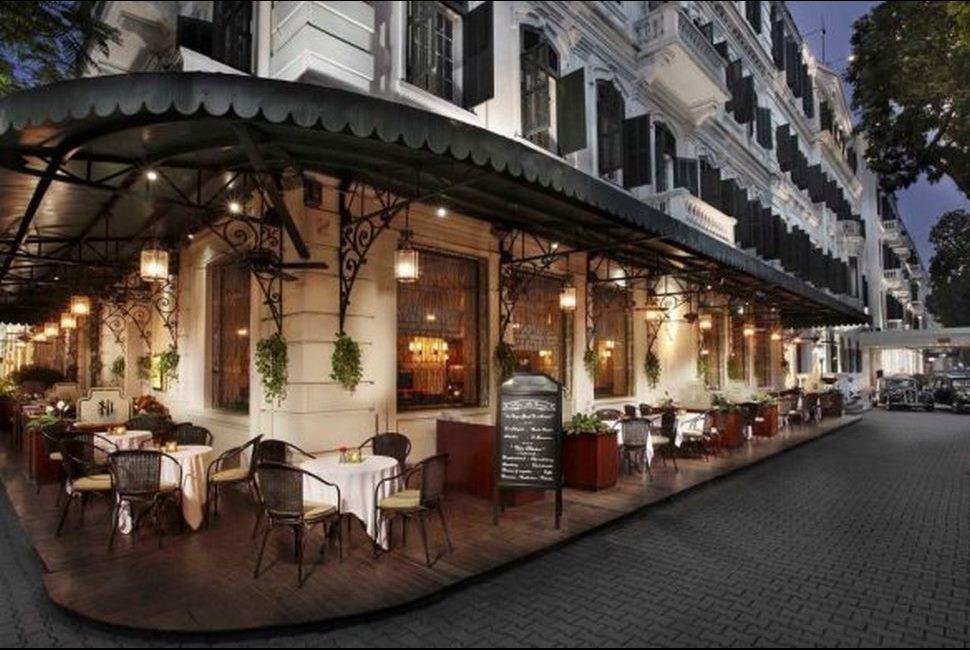
- Luxury hotels and restaurants cater to international visitors
- Diplomatic missions represent various countries
The area has become a popular destination for travelers interested in history and architecture, with many choosing to stay at boutique hotels in the French Quarter during their Vietnam travels.
Cultural Fusion and Contemporary Life
The French Quarter today represents a unique cultural fusion where Vietnamese traditions blend seamlessly with colonial influences. This is particularly evident in the district’s culinary scene, where French bistros operate alongside traditional Vietnamese eateries, and local food tours often include both pho vendors and French bakeries.
Living Heritage
What makes the French Quarter special is that it’s not just a museum piece – it’s a living, breathing part of modern Hanoi. Families still live in colonial-era apartments, office workers commute along tree-lined boulevards, and students study in libraries housed in former French institutions.
“The French Quarter isn’t frozen in time; it’s evolved to become part of contemporary Vietnamese life while maintaining its historical character.” – Dr. Nguyen Vinh Phuc, Vietnamese Architectural Historian
Preservation Efforts and Challenges
Preserving the architectural heritage of the French Quarter presents ongoing challenges. Rapid urbanization, increasing property values, and the need for modern amenities sometimes conflict with conservation efforts. However, Vietnamese authorities have implemented strict regulations to protect the district’s historical character.
Conservation Initiatives
- UNESCO recognition efforts for historical significance
- Building height restrictions to preserve the skyline
- Restoration projects for key colonial buildings
- Cultural tourism promotion to support preservation funding
Exploring the French Quarter Today
For modern visitors, the French Quarter offers countless opportunities to explore Vietnam’s colonial history. Whether you prefer a self-guided walking tour or joining organized city tours, the district provides fascinating insights into how colonial and Vietnamese cultures have merged over time.
Must-See Historical Sites
- Presidential Palace and Gardens – Former Governor General’s residence
- Hanoi Opera House – Architectural masterpiece and cultural venue
- St. Joseph’s Cathedral – Neo-Gothic religious architecture
- Vietnam National Museum of History – Housed in a colonial building
- Sofitel Legend Metropole – Historic luxury hotel from 1901
Frequently Asked Questions
What is the difference between Hanoi’s French Quarter and Old Quarter?
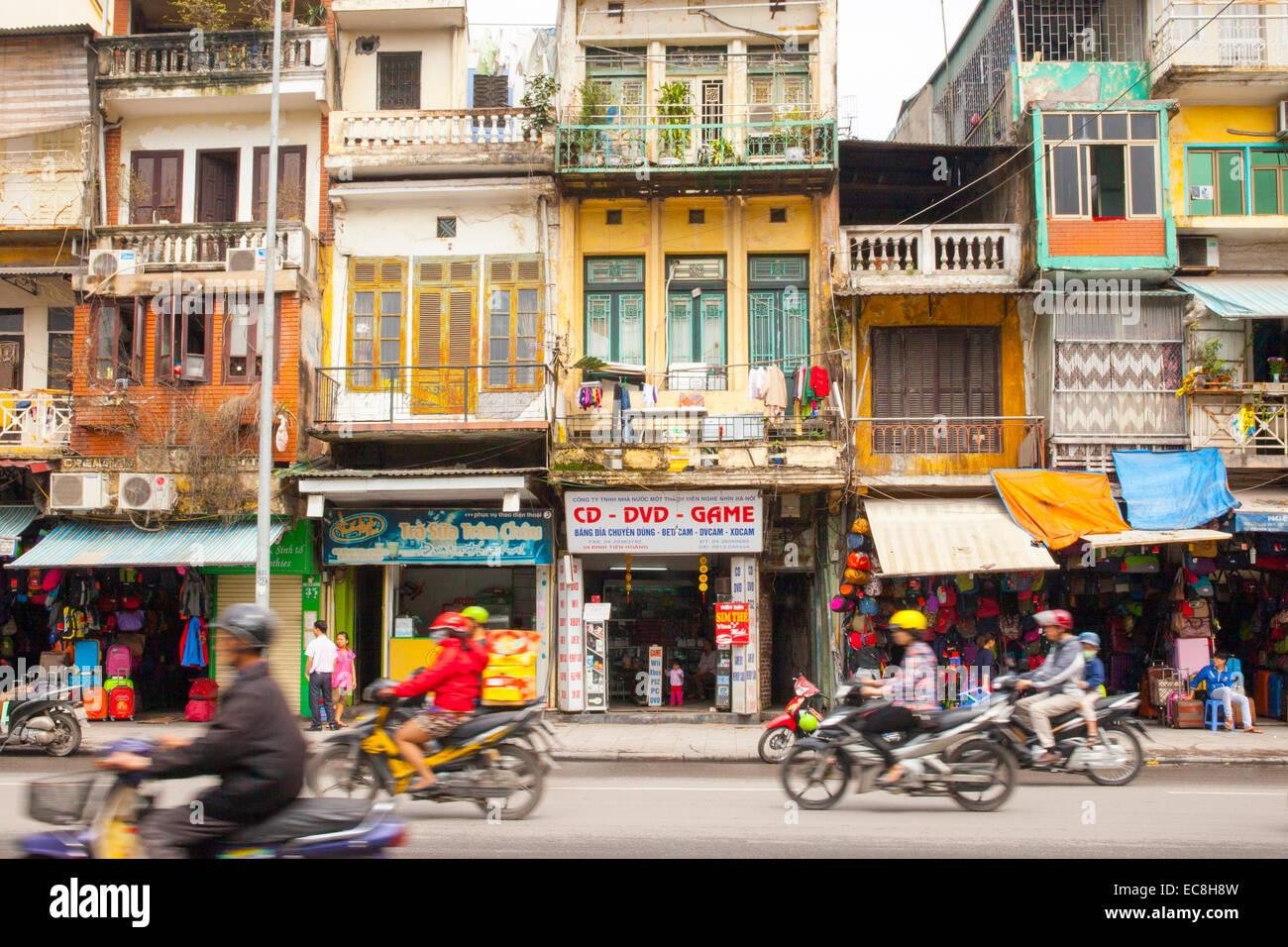
The French Quarter was built during colonial times (1880s-1940s) with wide boulevards and European architecture, while the Old Quarter dates back centuries and features narrow streets with traditional Vietnamese shophouses and ancient craft guilds.
How long should I spend exploring the French Quarter?
A thorough exploration of the French Quarter typically takes half a day to a full day, depending on whether you visit museums and take breaks at cafes. Many visitors combine it with multi-day Hanoi itineraries.
Is the French Quarter safe for tourists?
Yes, the French Quarter is considered one of the safest areas in Hanoi for tourists. It’s well-lit, regularly patrolled, and frequented by both locals and international visitors.
Can I still see original French colonial buildings?
Absolutely! Many original colonial buildings remain well-preserved, including the Presidential Palace, Opera House, and numerous residential buildings that continue to showcase authentic French colonial architecture.
Planning Your Visit
The best way to experience the historical richness of Hanoi’s French Quarter is through an organized tour that provides historical context and access to buildings not always open to individual visitors. Vietnam Travelers offers comprehensive Hanoi city tours that include the French Quarter alongside other significant historical sites.
Whether you’re interested in architecture, history, or simply enjoying the unique atmosphere of this colonial district, the French Quarter provides an unforgettable glimpse into Vietnam’s complex past and dynamic present. The tree-lined streets, elegant buildings, and fascinating stories make it an essential stop for anyone seeking to understand modern Vietnam’s historical foundations.
Ready to explore Hanoi’s French Quarter? Contact Vietnam Travelers today to book your guided tour and discover the colonial legacy that continues to shape Vietnam’s capital city. Our experienced guides will help you uncover the hidden stories and architectural treasures that make this district one of Southeast Asia’s most fascinating historical neighborhoods.
Share your thoughts about Hanoi’s French Quarter in the comments below! Have you visited this historic district? What aspects of its colonial history interest you most? We’d love to hear about your experiences and answer any questions about planning your visit to this remarkable area of Vietnam’s capital.