
Article brief
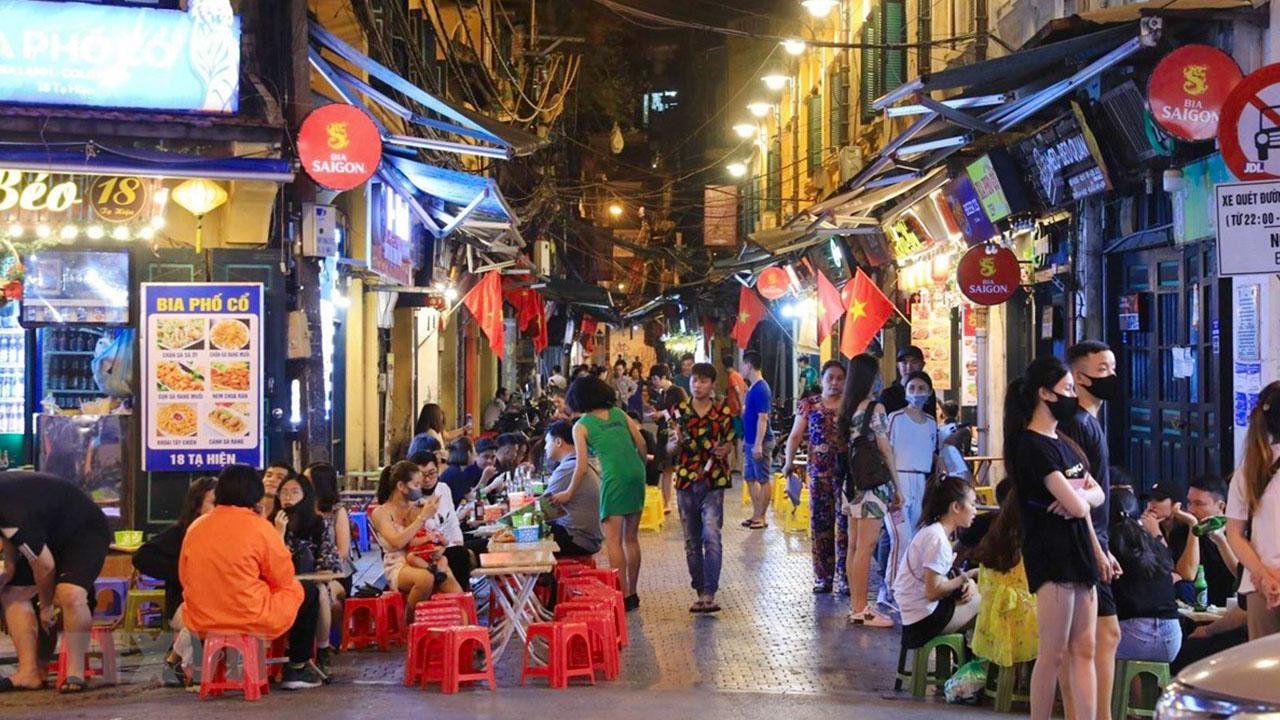
Hanoi's Old Quarter is a treasure trove of culinary delights, where centuries-old recipes and cooking techniques create an unforgettable gastronomic experience.
Route flow, hotel placement and transfer timing are the three decisions that shape the whole trip.
Hanoi’s Old Quarter is a treasure trove of culinary delights, where centuries-old recipes and cooking techniques create an unforgettable gastronomic experience. From steaming bowls of phở to crispy bánh mì sandwiches, this historic district offers visitors an authentic taste of Vietnamese cuisine that reflects the country’s rich cultural heritage and regional diversity.
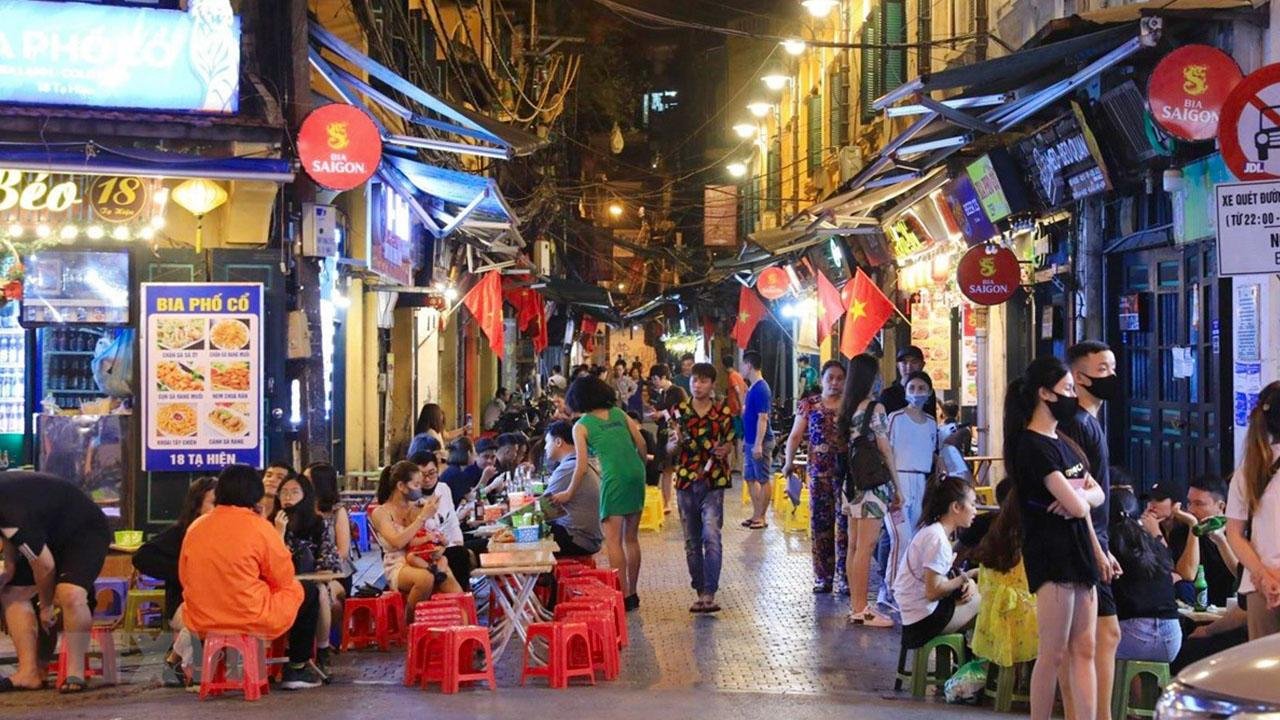
In this comprehensive guide, we’ll explore the must-try dishes, drinks, and food experiences that make the Old Quarter a paradise for food lovers. Whether you’re a first-time visitor or a returning traveler, this guide will help you navigate the bustling streets and discover culinary gems that locals have enjoyed for generations.
Iconic Breakfast Dishes in Hanoi Old Quarter
Start your day like a true Hanoian with these morning favorites that locals have been enjoying for generations:
Phở – Vietnam’s National Dish
Phở is undoubtedly Vietnam’s most famous culinary export. This aromatic rice noodle soup combines a richly flavored beef or chicken broth with flat rice noodles, meat (usually beef or chicken), and fresh herbs. In Hanoi, the broth tends to be clearer and more delicate than the southern version, with a focus on the natural flavors of the ingredients.
“The soul of phở is in its broth. A good broth should be clear but full of flavor, simmered for hours with bones, charred onions, ginger, and a carefully balanced mix of spices.” – Chef Nguyen Van Duc
The Old Quarter has several legendary phở establishments, many dating back multiple generations. For an authentic experience, try Phở Gia Truyền on Bat Dan Street or Phở Thin on Lo Duc Street (just outside the Old Quarter).
Bánh Cuốn – Steamed Rice Rolls
Bánh cuốn consists of delicate, paper-thin steamed rice rolls filled with a mixture of seasoned ground pork, minced wood ear mushrooms, and shallots. These silky rolls are served with a side of fried shallots, fresh herbs, and a dipping sauce made from fish sauce (nước mắm).
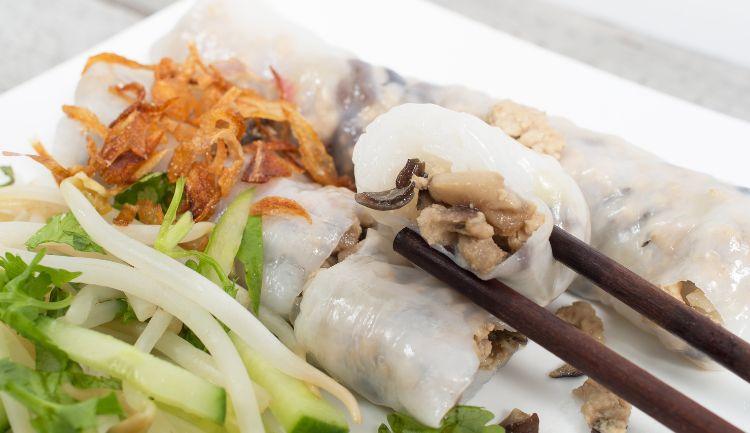
For the best bánh cuốn in the Old Quarter, head to Bánh Cuốn Gia Truyền on Hang Ga Street, where you can watch skilled cooks prepare this labor-intensive dish right before your eyes.
Xôi – Sticky Rice
Xôi (sticky rice) is a versatile dish that comes in both sweet and savory variations. The most popular breakfast version in Hanoi is xôi xéo, which features yellow sticky rice topped with fried shallots, mung bean paste, and sometimes chicken or Chinese sausage.
Visit Xôi Yến on Nguyen Huu Huan Street for some of the most satisfying sticky rice combinations in the Old Quarter.
Must-Try Street Food in Hanoi Old Quarter
The Old Quarter’s narrow streets and alleys are filled with street food vendors offering quick, delicious, and affordable meals. Here are some standout options:
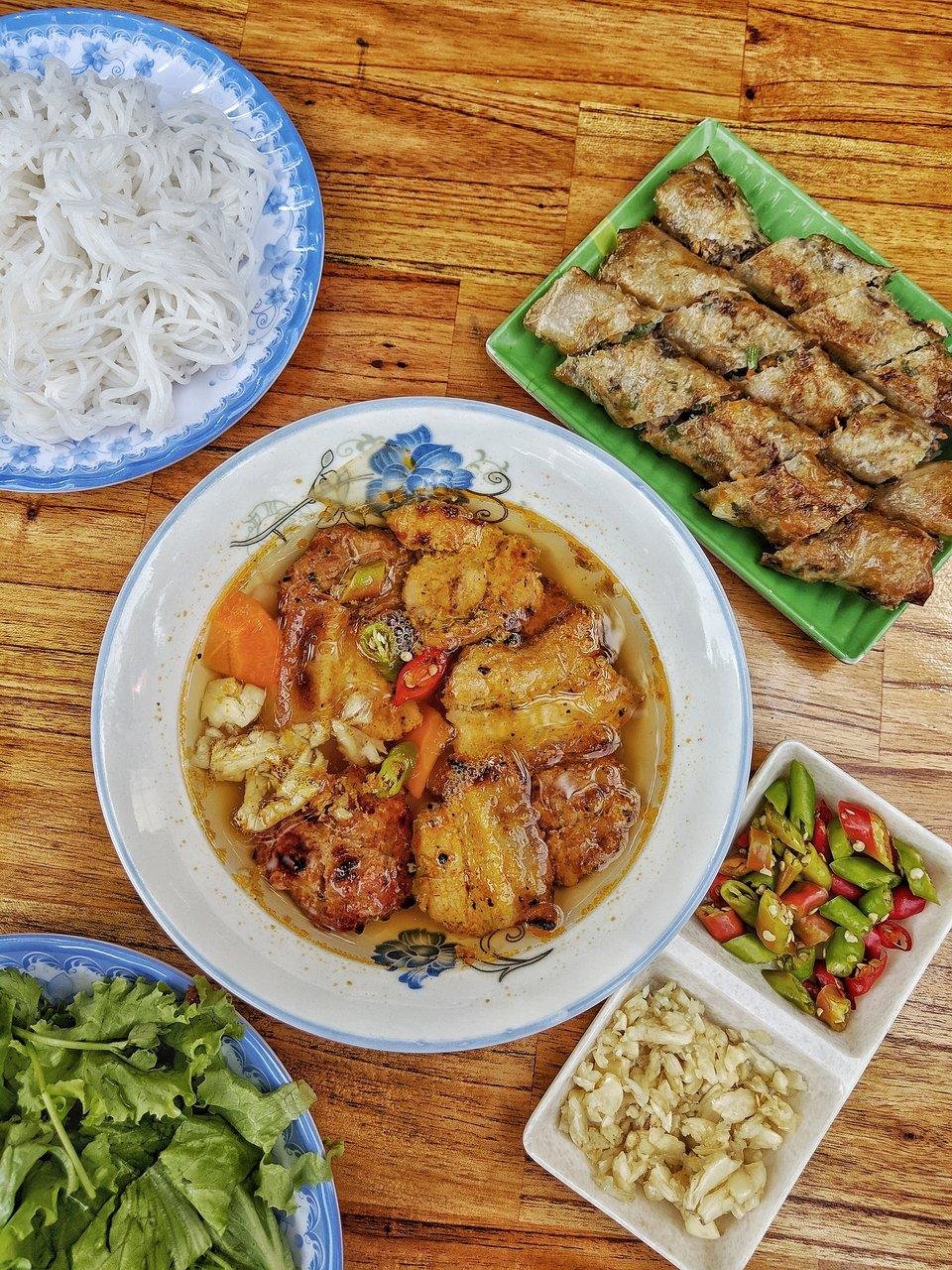
- Bún Chả – Grilled pork served with rice noodles, fresh herbs, and a dipping sauce. This Hanoi specialty was famously enjoyed by Anthony Bourdain and President Obama at Bún Chả Hương Liên.
- Bánh Mì – A French-inspired baguette sandwich filled with various combinations of meats, pâté, vegetables, and sauces. Try the excellent versions at Bánh Mì 25 on Hang Ca Street.
- Chả Cá – Turmeric-marinated fish cooked tableside with dill and green onions, served with rice noodles, peanuts, and herbs. The historic Chả Cá Lã Vọng restaurant specializes in this dish.
- Bún Bò Nam Bộ – A dry noodle dish with marinated beef, bean sprouts, herbs, fried shallots, and a tangy fish sauce dressing.
Hidden Street Food Gems
While the Old Quarter has many famous eateries, some of the best food experiences can be found at humble street stalls and small family-run establishments:
- Nem Cua Bể (crab spring rolls) – These crispy fried rolls filled with crab meat, pork, mushrooms, and glass noodles are perfect as an appetizer or snack.
- Bánh Gối (pillow cake) – Deep-fried pastry with a savory filling of minced pork, mushrooms, vermicelli, and Vietnamese spices.
- Bún Riêu – A tangy tomato soup with rice noodles, crab paste, tofu, and sometimes snails, topped with fresh herbs.
- Mien Xào Lươn – Stir-fried glass noodles with crispy eel, a specialty from central Vietnam that has found popularity in Hanoi.
Local Drinks and Beverages
No culinary exploration of Hanoi’s Old Quarter would be complete without sampling the local beverages:
Vietnamese Coffee (Cà Phê)
Vietnamese coffee is world-renowned for its strong flavor and unique preparation method using a small metal filter (phin). There are several popular variations:
- Cà Phê Đen (black coffee) – Strong and served hot
- Cà Phê Sữa Đá – Coffee with sweetened condensed milk and ice
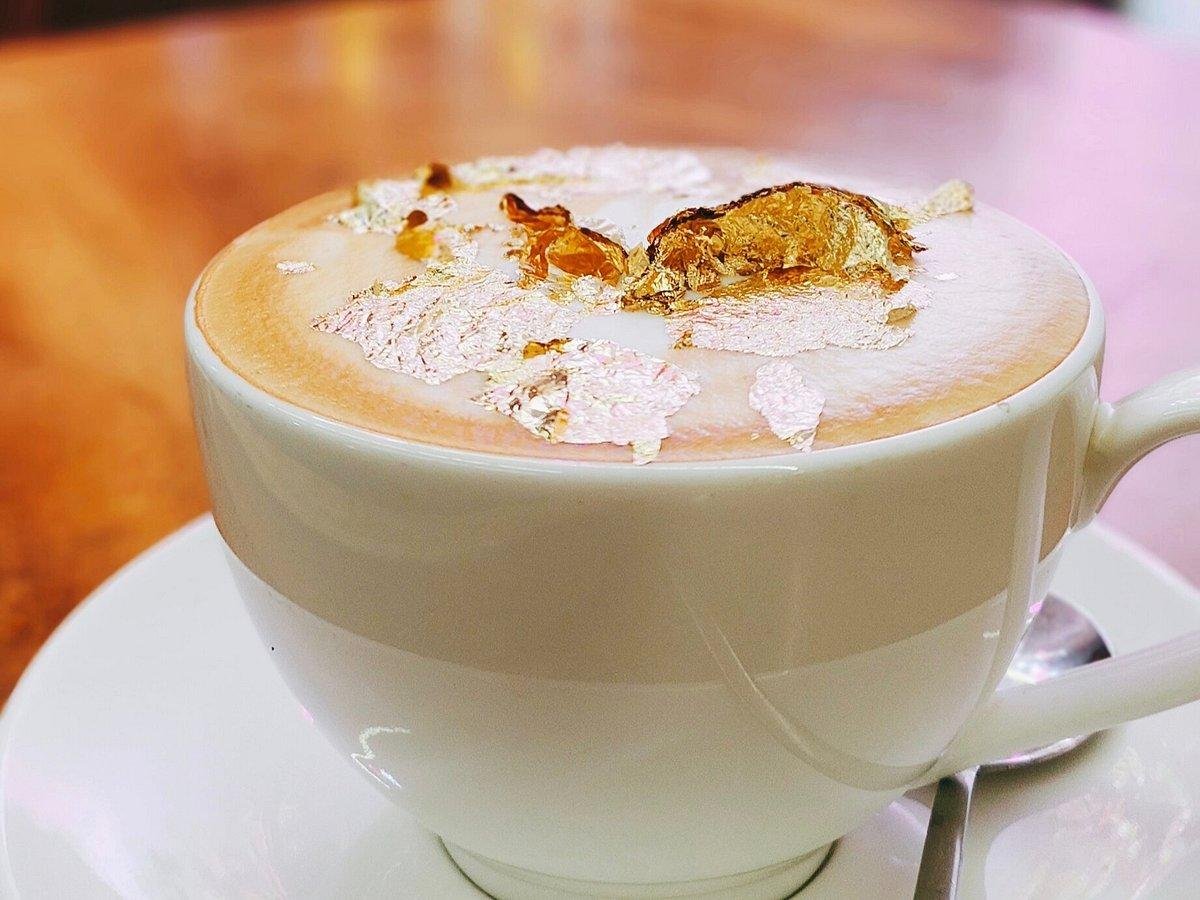
- Cà Phê Trứng (egg coffee) – A Hanoi specialty featuring a creamy, custard-like topping made from egg yolks and condensed milk
For an authentic coffee experience, visit Café Giảng on Nguyen Huu Huan Street, the birthplace of egg coffee, or try the atmospheric Café Đinh on Dinh Tien Hoang Street.
Fresh Beer (Bia Hơi)
Bia hơi is a light, freshly brewed draft beer that’s a Hanoi institution. It’s incredibly affordable (often less than $0.50 per glass) and best enjoyed at street-side establishments where you can sit on small plastic stools and watch the world go by.
The intersection of Ta Hien and Luong Ngoc Quyen streets, affectionately known as “Beer Corner,” is the epicenter of bia hơi culture in the Old Quarter.
Traditional Tea (Trà)
Tea culture runs deep in Vietnamese society. In the Old Quarter, you can sample various types of traditional teas, including:
- Trà Sen (lotus tea) – Green tea scented with lotus flowers
- Trà Nhài (jasmine tea) – Green tea infused with jasmine blossoms
- Trà Gừng (ginger tea) – Perfect for cool Hanoi evenings
Desserts and Sweet Treats
Save room for these delightful Vietnamese desserts found throughout the Old Quarter:
Chè – Sweet Soups and Puddings
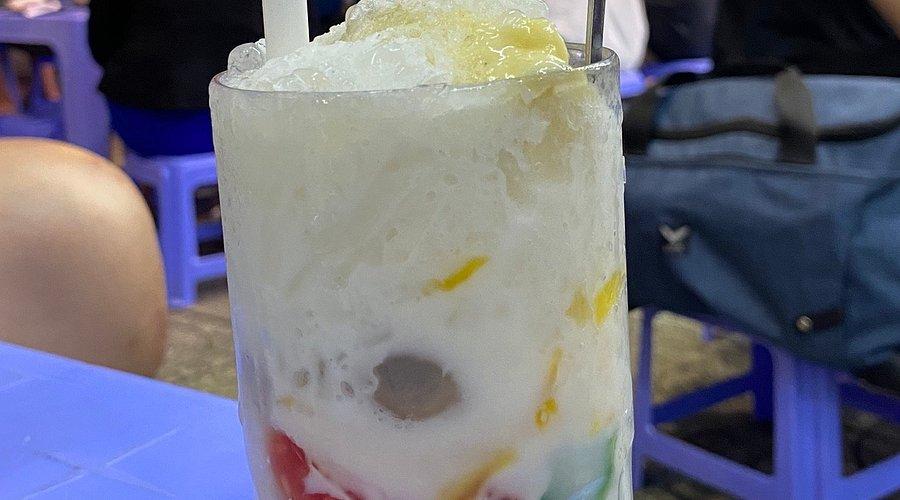
Chè encompasses a variety of sweet soups, puddings, and desserts. Popular varieties include:
- Chè Trôi Nước – Glutinous rice balls filled with mung bean paste in ginger syrup
- Chè Ba Ba – A combination of taro, cassava, sweet potato, lotus seeds, and seaweed in coconut milk
- Chè Chuối – A warm banana pudding with tapioca pearls and coconut milk
Try these sweet treats at Chè Bà Thin on Hang Bac Street, a dessert institution in the Old Quarter.
Bánh Rán – Fried Rice Balls
These golden-fried glutinous rice balls come in both sweet (filled with mung bean paste and dusted with sesame seeds) and savory versions. They make for a perfect on-the-go snack while exploring the Old Quarter’s labyrinthine streets.
Food Experiences and Tours in Hanoi Old Quarter
To fully immerse yourself in the Old Quarter’s food culture, consider these experiences:
Street Food Tours
Guided food tours are an excellent way to discover hidden gems and learn about the history and cultural significance of Vietnamese cuisine. Vietnam Travelers offers comprehensive food tours led by knowledgeable local guides who can introduce you to authentic eateries you might not find on your own.
Cooking Classes
Learn to recreate Vietnamese dishes at home by joining a cooking class. Many classes include a market tour where you’ll learn about essential ingredients before preparing several classic dishes under expert guidance. Check out Hanoi’s Culinary Authentic Cooking Class for a hands-on experience.
Weekend Night Market
The Hanoi Old Quarter Night Market (Friday to Sunday evenings) offers a wide array of street food options in one concentrated area. It’s a perfect opportunity to sample multiple dishes in a festive atmosphere.
Food Etiquette and Dining Tips
To enhance your culinary journey through Hanoi’s Old Quarter, keep these tips in mind:
- Street Food Safety – Look for busy stalls with high turnover, indicating fresh food. Places frequented by locals are usually a safe bet.
- Chopstick Etiquette – Never stick your chopsticks upright in a bowl of rice (resembles incense sticks at funerals).
- Slurping is Acceptable – Don’t be afraid to slurp your noodles or soup—it’s a sign of appreciation!
- Cash is King – Most street food vendors and small eateries only accept cash.
- Condiments – Vietnamese food is all about personalization. Use the provided condiments (lime, chili, fish sauce) to adjust flavors to your preference.
Seasonal Food Specialties
Hanoi’s cuisine changes with the seasons, offering different specialties throughout the year:
- Spring – Fresh spring rolls (gỏi cuốn) and young rice desserts (cốm)
- Summer – Cooling dishes like bún chả and various fruit-based chè
- Autumn – Cốm (young green rice) and dishes featuring seasonal mushrooms
- Winter – Warming soups like chicken congee (cháo gà) and hot pot (lẩu)
Frequently Asked Questions About Food in Hanoi Old Quarter
What is the must-try dish in Hanoi Old Quarter?
While there are many outstanding dishes, bún chả (grilled pork with rice noodles) is considered the quintessential Hanoi dish that should not be missed. Other must-tries include phở bò (beef noodle soup), chả cá (turmeric fish with dill), and egg coffee.
How much should I expect to pay for street food in Hanoi Old Quarter?
Street food in Hanoi is incredibly affordable. Most dishes cost between 25,000 to 50,000 VND ($1-2.50 USD), with more elaborate meals or those in sit-down restaurants costing 60,000 to 100,000 VND ($2.50-4.50 USD). Bia hơi (fresh beer) is typically 5,000 to 10,000 VND ($0.25-0.50 USD) per glass.
Is it safe to eat street food in Hanoi Old Quarter?
Street food in Hanoi is generally safe, especially if you follow some basic precautions: eat at busy stalls with high turnover, look for places where locals eat, and choose freshly cooked hot food. It’s also advisable to bring hand sanitizer and to drink bottled water only.
What are the best food streets in Hanoi Old Quarter?
Some of the best food streets include Hang Buom (various street food), Ta Hien (known as “Beer Street”), Ly Quoc Su (famous for bún chả and phở), Tong Duy Tan (evening food street), and Ngo Gach (local specialties). Each street tends to specialize in certain dishes, making it easy to find specific foods you want to try.
Conclusion: A Feast for All Senses
The culinary landscape of Hanoi’s Old Quarter is a reflection of Vietnam’s complex history and cultural diversity. Each dish tells a story – from the French influence evident in bánh mì and coffee culture to the ancient Chinese-inspired techniques used in many traditional recipes.
What makes dining in the Old Quarter truly special is not just the food itself, but the entire sensory experience: the sizzle of meat on charcoal grills, the aromatic herbs and spices, the colorful presentations, and the convivial atmosphere of shared tables and street-side dining.
Whether you’re a dedicated foodie or simply looking to experience authentic Vietnamese culture, exploring the culinary offerings of Hanoi’s Old Quarter will surely be a highlight of your visit to Vietnam.
Experience the Flavors of Hanoi with Vietnam Travelers
Ready to embark on a culinary adventure through Hanoi’s Old Quarter? Let our experienced local guides lead you to the best food spots and share the stories behind Vietnam’s most beloved dishes.
Or contact us to create a custom food experience tailored to your preferences!
Have you tried any of these dishes in Hanoi’s Old Quarter? Which was your favorite? Share your food experiences or ask questions in the comments below!