

Vietnam Short Tours
Daily Trips & Excursions Across Vietnam
Explore Vietnam short tours from 2 to 7 days, with private routes across the north, central coast, highlands, south, and islands.
Browse by region
Explore Vietnam region by region
Click any region to open its own landing page with local day trips, overnight excursions and the provinces within it.
 01
01Northern Vietnam
Hanoi & The North
The thousand-year capital, emerald Ha Long Bay and the limestone valleys of Ninh Binh, Mai Chau & Pu Luong.
Explore 02
02North West Highlands
Sapa & North West
Plan Sapa & Northwest tours with private routes, mountain stays, local markets, and flexible 2-7 day packages across Vietnam's western highlands.
Explore 03
03North East Frontier
Ha Giang & North East
The dramatic karst plateau, winding loop roads and remote markets of Ha Giang, Cao Bang and Ba Be.
Explore 04
04Imperial Heartland
Central Vietnam
Explore Central Vietnam tours across Hue, Da Nang, Hoi An, Phong Nha, My Son, and Quy Nhon with private routes and short 2-to-7-day packages
Explore 05
05Central Highlands
Da Lat & Highlands
Cool pine forests, flower gardens and highland coffee estates from Da Lat to Buon Me Thuot and Kon Tum.
Explore 06
06Southern Vietnam
Ho Chi Minh & The South
Explore Ho Chi Minh City and Southern Vietnam through private tours, flexible itineraries, Mekong Delta excursions, and carefully designed travel packages.
Explore 07
07Coast & Islands
Beaches & Islands
Explore Vietnam Beaches tours with private itineraries, coastal escapes, island adventures, and flexible travel packages from North to South Vietnam
ExploreVietnam excursions guide
Choose the right short journey
Vietnam Short Tours: Private Trips from 2 to 7 Days
Vietnam short tours are private regional journeys lasting two to seven days. They connect nearby destinations without forcing a rushed cross-country schedule.
They suit travelers with limited leave, stopovers, business extensions, or gaps between longer bookings. Each route should balance experiences, transfers, meals, and rest.
Vietnam Travelers organizes these trips by region, duration, and travel style. This structure helps guests compare realistic routes before requesting a tailored itinerary.
1. What Vietnam short tours include
A short tour is more than several day trips placed together. It needs one clear route, suitable hotel bases, and sensible travel times.
Most packages combine private transport, selected accommodation, local guides, entrance arrangements, and planned activities. Exact inclusions still depend on the destination and service level.
Two-day routes usually stay within one city and its nearby countryside. Longer routes can connect two or three close destinations without wasting whole days.
Strong Vietnam multi day tours also leave space for weather changes and personal interests. They should not fill every hour with fixed visits.

Travelers can choose culture, food, nature, trekking, beaches, cruises, or family activities. The chosen theme should support the route rather than create unnecessary detours.
These short trips in Vietnam differ from national vacation packages. They focus on one region, one travel theme, or a compact destination cluster.
Travelers seeking a full national journey should compare Vietnam tour packages instead. Multi-country plans belong under Southeast Asia tour packages.
A regional trip also works well as an extension. Guests can add three days in Sapa, Hue, the Mekong Delta, or Phu Quoc.
Private planning matters because arrival points often differ. Some guests start from an airport, while others connect from a cruise, train, or existing hotel.
A clear proposal should show daily travel time, overnight bases, included services, and optional upgrades. This makes comparisons easier and reduces surprises.
2. Choose the right region
Vietnam has distinct regional travel patterns. A useful short tour stays within an area that offers enough variety without excessive transfers.
The north combines historic cities, limestone landscapes, mountain routes, and ethnic communities. Central Vietnam offers heritage cities, beaches, caves, and coastal roads.
The highlands provide cooler scenery, farms, waterfalls, and local culture. Southern routes combine urban energy, river life, tropical islands, and relaxed coastlines.
Use the regional hubs below to narrow the first decision. Destination pages can then compare specific routes, hotels, and local experiences.
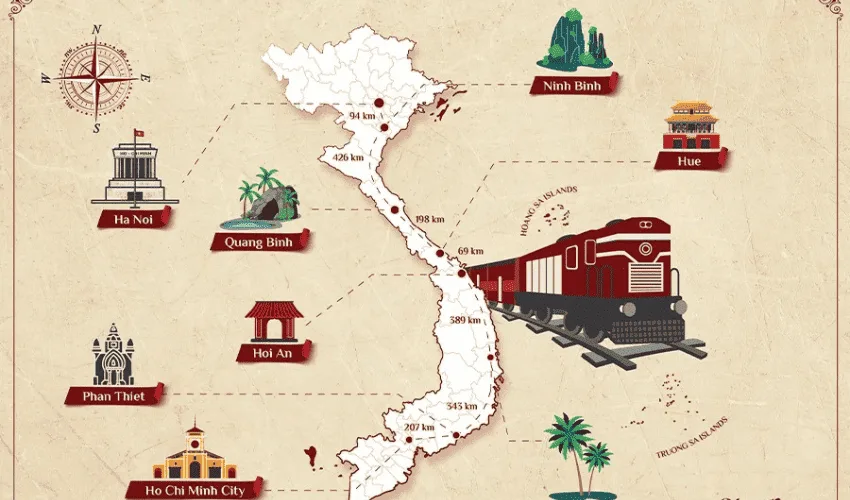
Regional options at a glance
A short regional route should have a clear arrival gateway. Hanoi, Da Nang, and Ho Chi Minh City support many nearby combinations.
Remote areas need more time than maps suggest. Mountain roads, ferry schedules, and weather can change the practical pace.
Guests should choose a region before choosing individual attractions. This prevents an itinerary from becoming a disconnected list of famous places.
Regional focus also improves local depth. Travelers gain more time for markets, village visits, food, walks, and conversations with guides.
3. Compare tours from 2 to 7 days
Duration changes what a route can achieve. The best plan uses available days carefully instead of adding distant stops for marketing value.
Vietnam tours 2 to 7 days should remain geographically focused. A seven-day short tour can explore one region deeply or connect two nearby bases.
Duration guide
Two-day tours work best when the first morning starts near the main gateway. Late arrivals can remove half of the usable itinerary.
Three-day routes allow one overnight change without creating constant packing. They are practical for Hanoi, Sapa, Ninh Binh, Ha Long, or Central Vietnam.
Sample products include a Hanoi–Ninh Binh–Ha Long three-day route or a Sapa three-day private tour.
Four or five days provide more flexibility for weather and local activities. Guests can include a workshop, cruise, trek, or food experience.
Six or seven days should still avoid crossing the entire country. Domestic flights add airport transfers, waiting time, and possible schedule changes.
A seven-day cross-country route may look efficient on paper. In practice, it can feel like several transport days with brief sightseeing stops.
Guests wanting north-to-south coverage should use a longer Vietnam package. The short-tour hub should protect a regional, compact search intent.
Travelers can also combine separate regional modules. A five-day northern trip can sit before a longer beach stay or Southeast Asia journey.
Exact timing should remain transparent. Each proposal should separate driving, sightseeing, free time, meals, and hotel check-in.
4. Build a balanced short itinerary
A balanced route starts with the arrival and departure points. The next step is choosing one primary experience for each full day.
Do not select hotels before confirming the route. A central base can save time, while a remote lodge may support nature and local contact.
Travel time needs realistic buffers. City traffic, mountain roads, airport procedures, and boat schedules can affect the daily plan.

Use this checklist before approving an itinerary:
Keep most overnight stays for at least two nights when the route allows.
Limit long transfers and avoid major sightseeing immediately after a late arrival.
Match activities with mobility, age, weather tolerance, and preferred pace.
Confirm which meals, entrances, guides, vehicles, and accommodation are included.
Add free time for markets, cafés, swimming, photography, or personal interests.
Keep one flexible period when weather affects boats, trekking, or outdoor visits.
Season also matters because conditions vary across Vietnam. A route can work year-round, but daily activities may need adjustment.
Families often need shorter drives and earlier finishes. Couples may prefer privacy, slower meals, and fewer group-based stops.
Active travelers can connect a regional route with adventure tours or trekking tours. Guests prioritizing local culture can compare culture and local life tours.
Beach travelers should consider transfer time before adding sightseeing. A short island stay works best when arrival logistics remain simple.
Clear planning also protects budget. Fewer unnecessary transfers can provide better hotels, guides, meals, or meaningful local experiences.
5. Why private short trips work better
Private tours give one party control over pace, hotel level, and daily priorities. They are useful when travelers have fixed flights or specific interests.
A private vehicle reduces waiting at group pickup points. It also helps families, older guests, photographers, and travelers carrying more luggage.
Private guides can adjust explanations and stop lengths. They can spend more time on history, cuisine, crafts, nature, or daily life.
The best private plan still needs boundaries. Too many custom requests can weaken route logic and reduce time at each destination.

Before booking, confirm these service details:
Vehicle type, luggage capacity, driver hours, and pickup locations.
Guide language, guiding days, and whether different regions use local guides.
Hotel category, room type, breakfast, and upgrade conditions.
Entrance fees, activities, meals, permits, and optional experiences.
Cancellation rules, payment schedule, emergency support, and change procedures.
Families can connect suitable routes with family holiday tours. Couples may prefer honeymoon and romantic tours or quiet beach holidays.
Guests seeking premium hotels and private experiences can explore luxury tours. Flexible travelers can start with private custom tours.
Vietnam Travelers should present regional options first, then recommend products. This keeps the hub useful without duplicating every destination page.
Product pages should own exact daily schedules, prices, hotel names, and departure dates. The hub should compare routes and guide the booking decision.
A good proposal explains why each stop belongs. It should also show alternatives when time, weather, or budget changes.
Choose a short tour for depth, not just speed. A compact route can feel complete when each day supports one clear travel story.
Guests planning wider tailor-made travel can begin with Vietnam private tours before choosing a regional module.
6. Frequently asked questions
1. How many days count as a Vietnam short tour?
These trips usually last two to seven days. They focus on one region or a compact route.
2. Can a seven-day tour cover all of Vietnam?
It is possible, but the pace becomes rushed. A regional seven-day route usually offers a better experience.
3. Are Vietnam short tours private?
They can be private or shared. Private tours allow greater control over pace, hotels, activities, and transfers.
4. Which region is best for a first short trip?
Hanoi and the north or Central Vietnam offer easy combinations. The best choice depends on season and arrival airport.
5. Can I add a short tour to a longer holiday?
Yes. Regional modules can extend a cruise, business trip, beach stay, or longer Southeast Asia itinerary.
References